
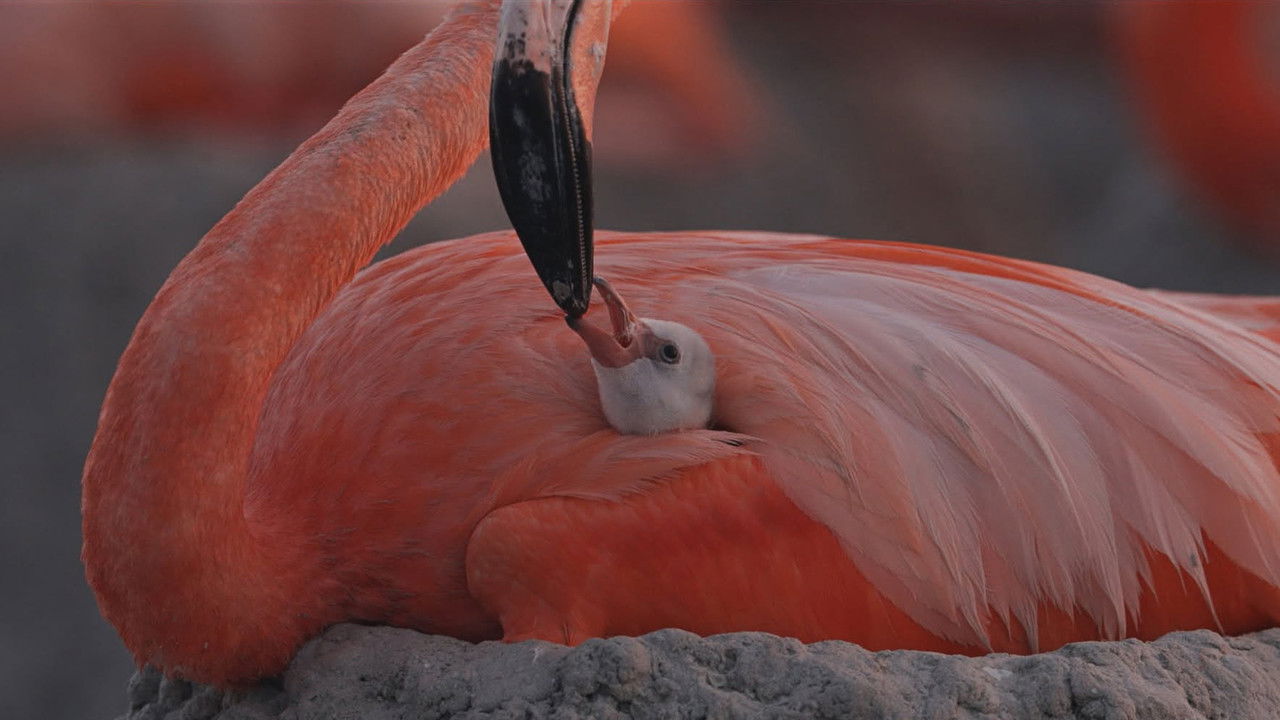
 2026Flamingos: Life After the Meteorite★ 6.0 · Film
DocumaniaTV
178 documentary films and series from Spain, Latin America and beyond, 1963 to 2026, sorted by subject.
Recently made
See all (67)2026Flamingos: Life After the Meteorite★ 6.0 · Film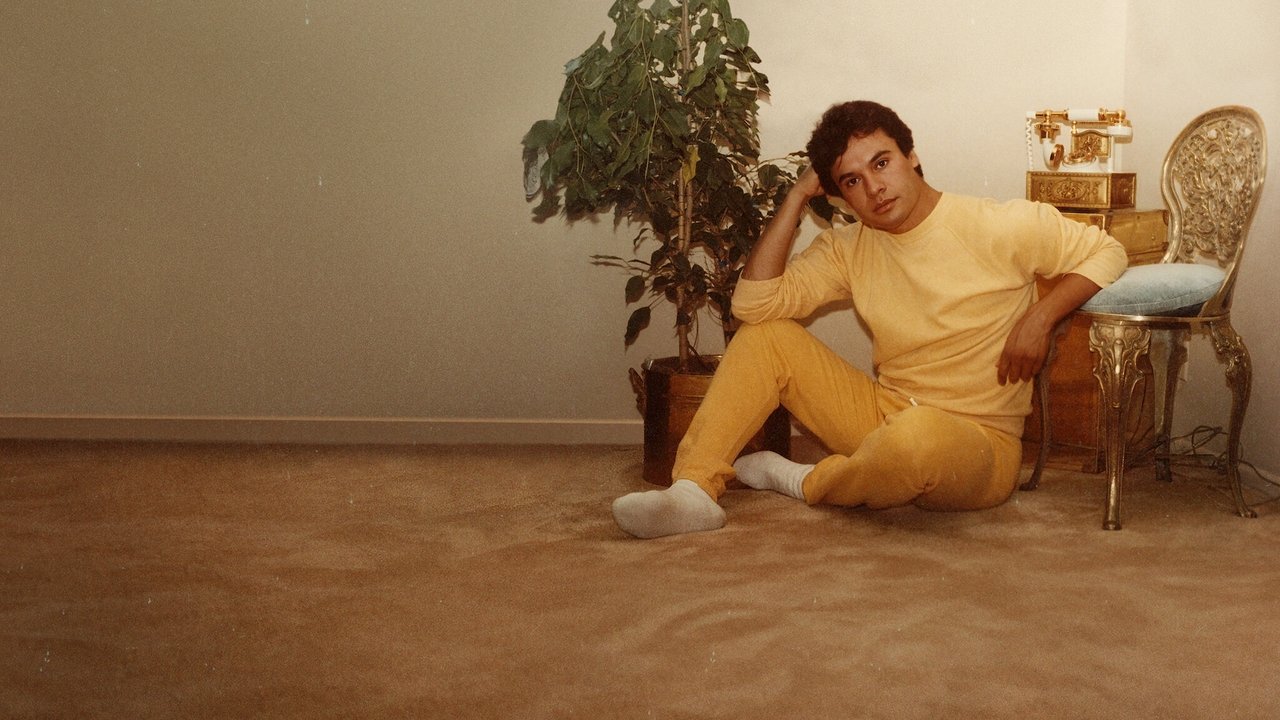 2025 · 4 ep.Juan Gabriel: I Must, I Can, I Will★ 8.6 · Series
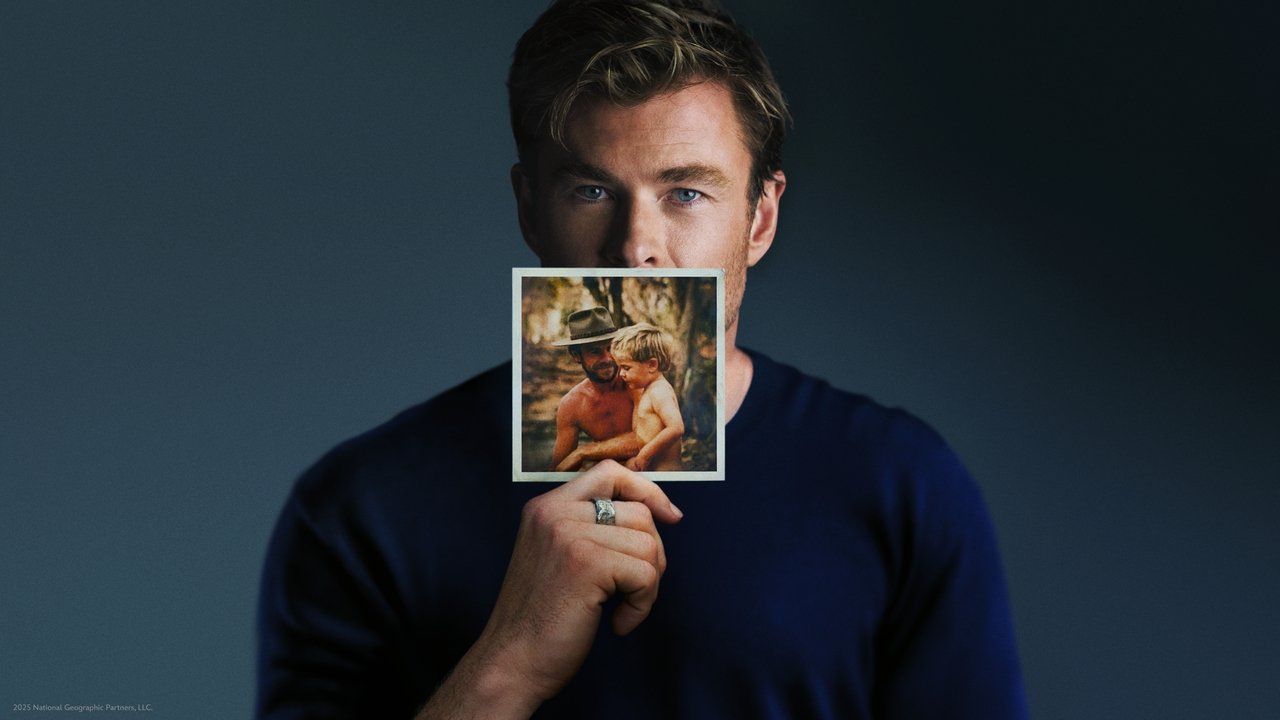 2025Chris Hemsworth: A Road Trip to Remember★ 7.3 · Film
 2025 · 3 ep.Carlos Alcaraz: My Way★ 6.2 · Series
Sport
See all (37) 2018Chivas: The Movie★ 8.6 · Film
 2015Barça Dreams★ 7.0 · Film
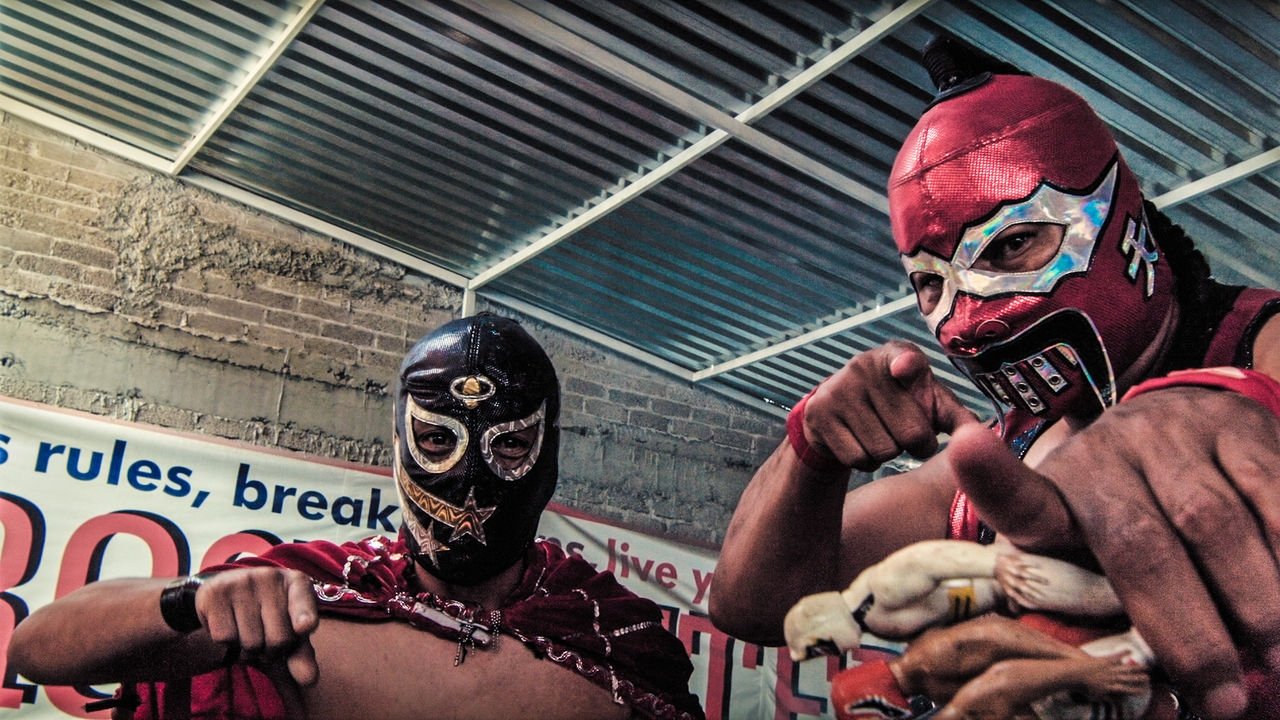 2018 · 5 ep.Nuestra Lucha Libre★ 7.5 · Series
 2022 · 6 ep.Club América vs. Club América★ 8.7 · Series
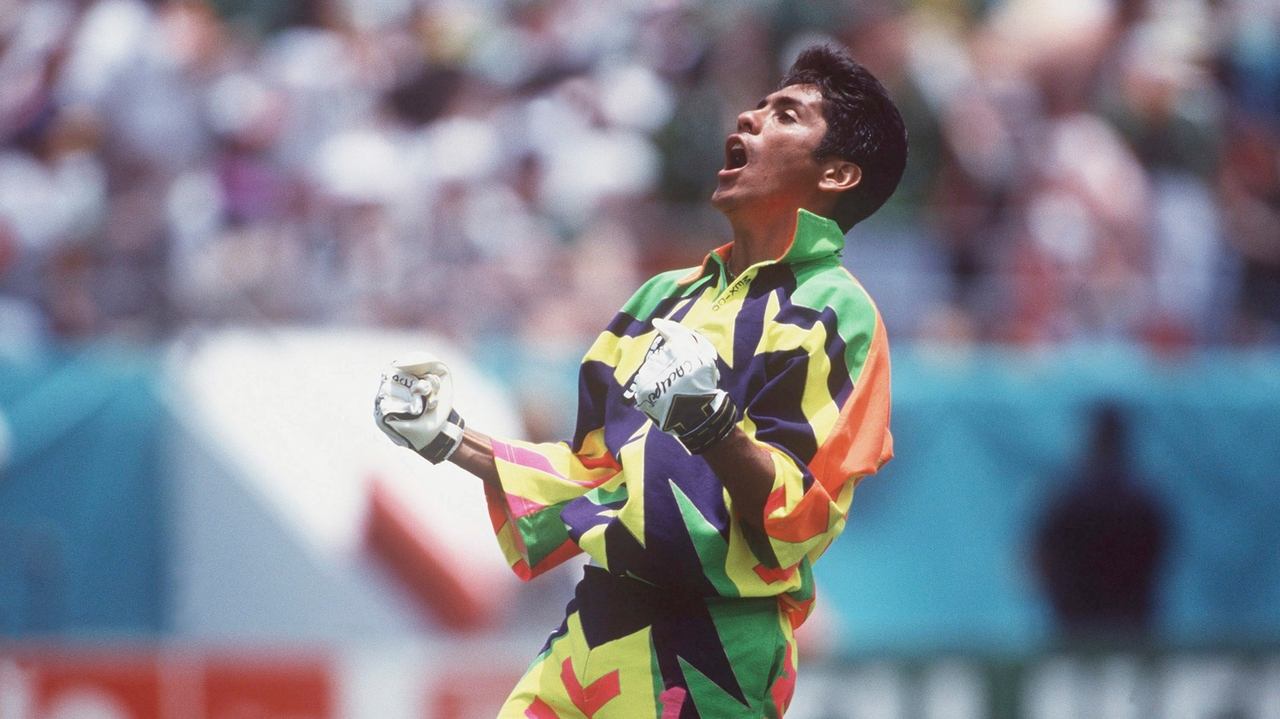 2014Ilusión Nacional★ 7.8 · Film
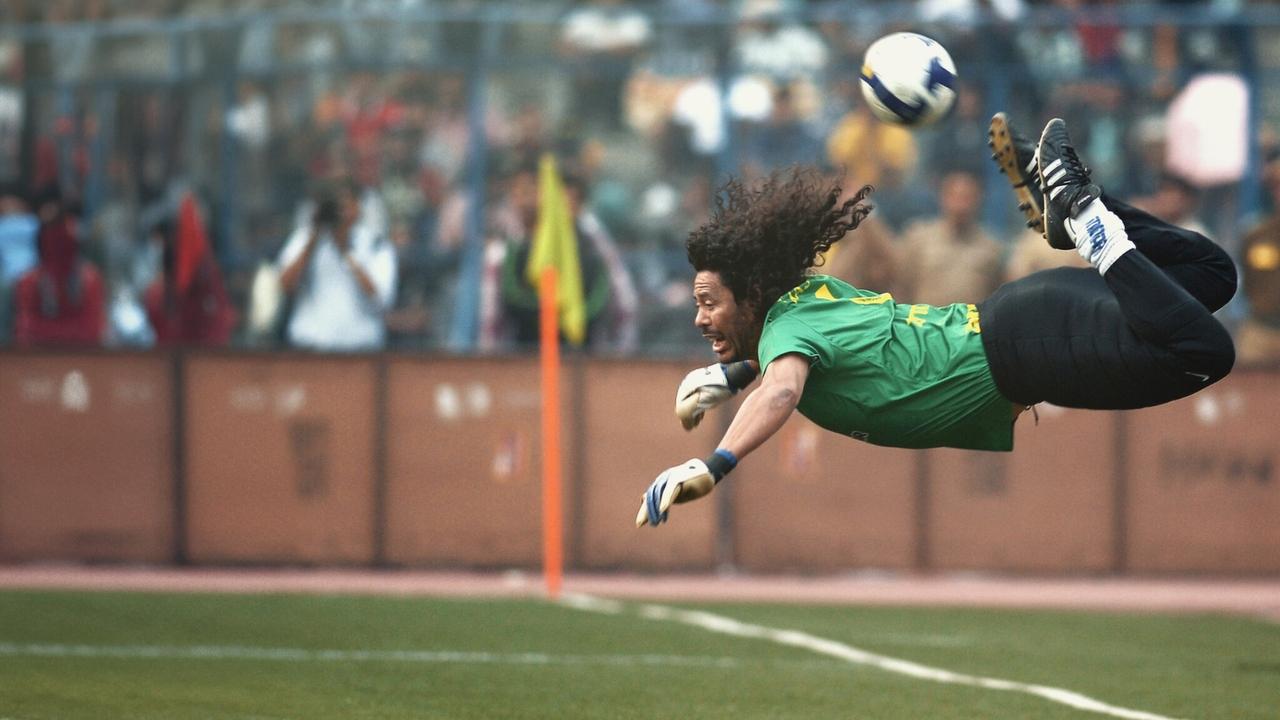 2023Higuita: The Way of the Scorpion★ 7.8 · Film
 2015Boca Juniors 3D: The Movie★ 6.8 · Film
 2022Hugo Sánchez, the Goal and the Glory★ 6.9 · Film
Music and dance
See all (44)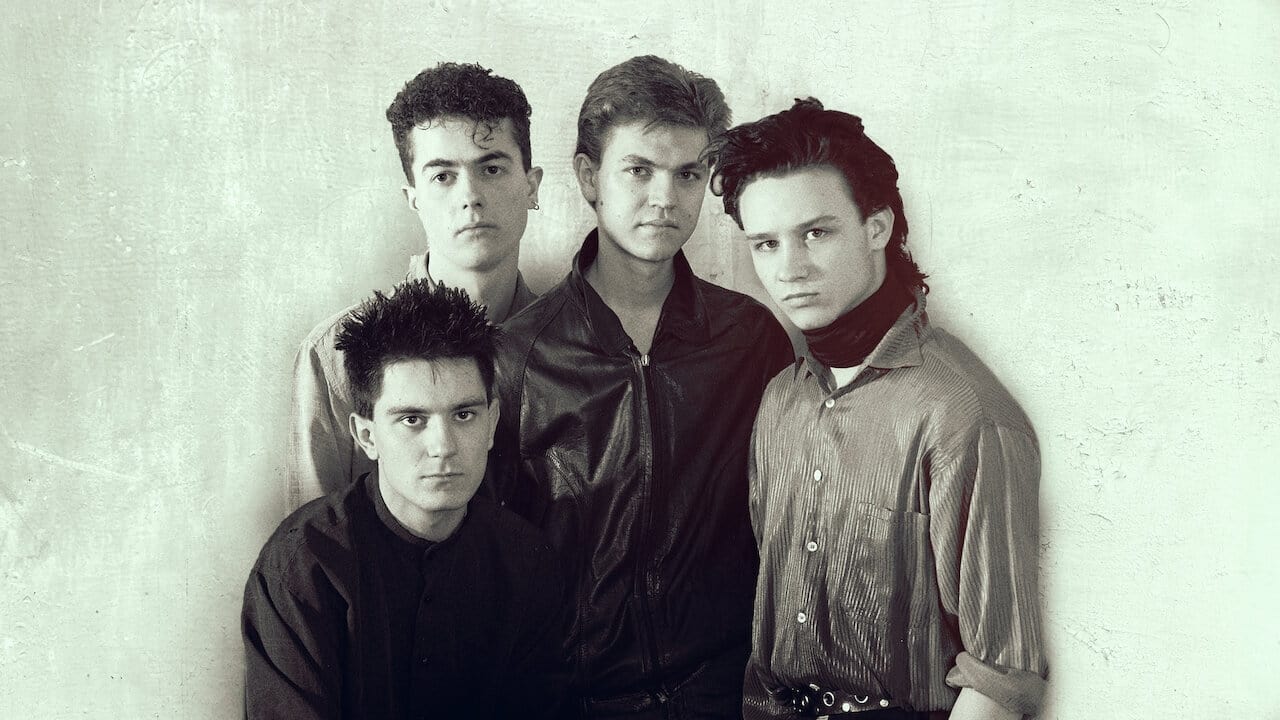 2021Heroes: Silence and Rock & Roll★ 8.4 · Film
 2020 · 6 ep.BREAK IT ALL: The History of Rock in Latin America★ 7.6 · Series
 2022Los Tigres Del Norte: Stories to Tell★ 7.7 · Film
 2024The Flamenco Guitar of Yerai Cortés★ 7.1 · Film
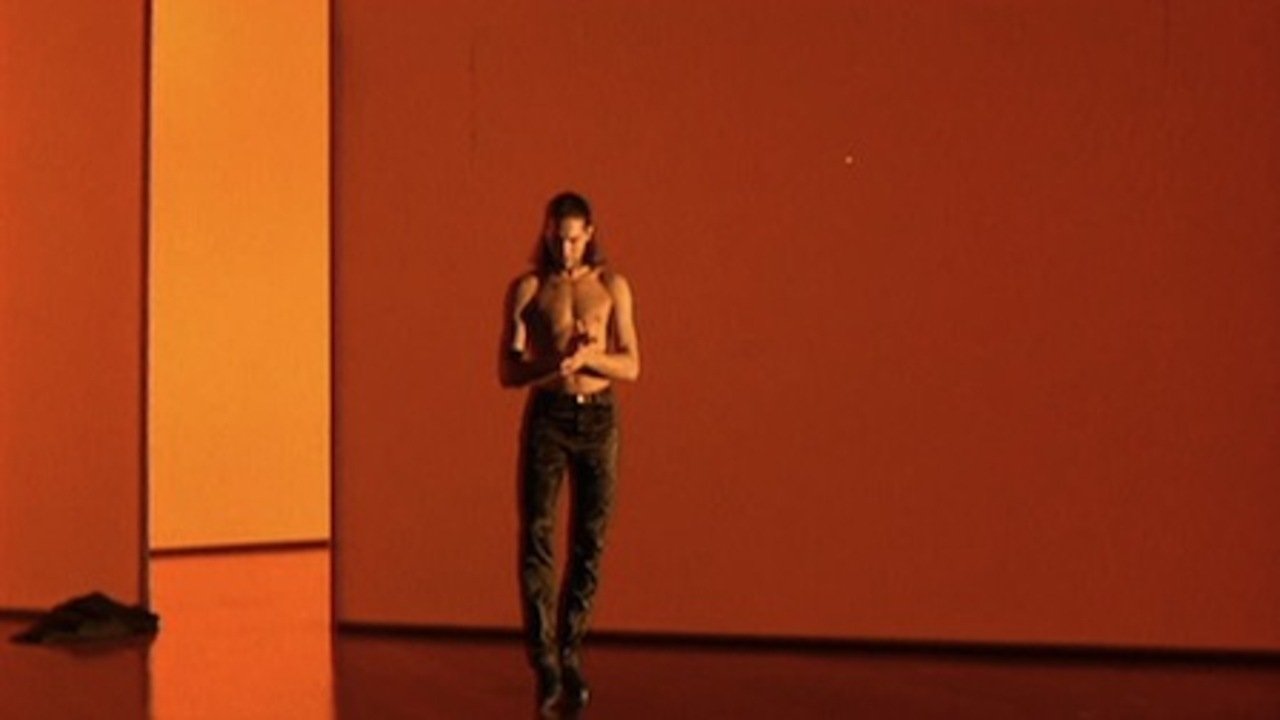 1995Flamenco★ 6.3 · Film
 2020Eso que tú me das★ 7.8 · Film
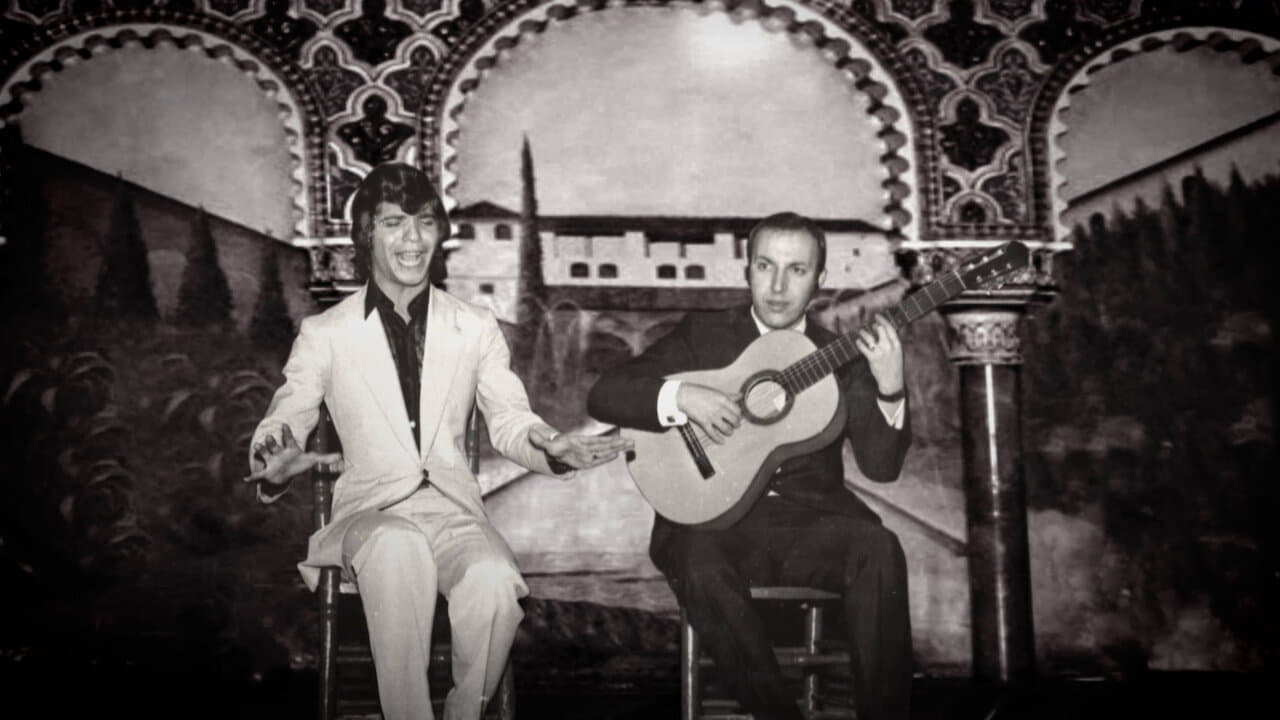 2018Camarón: The Film★ 7.1 · Film
 2017Rumble: The Indians Who Rocked the World★ 7.6 · Film
Arts and cinema
See all (52)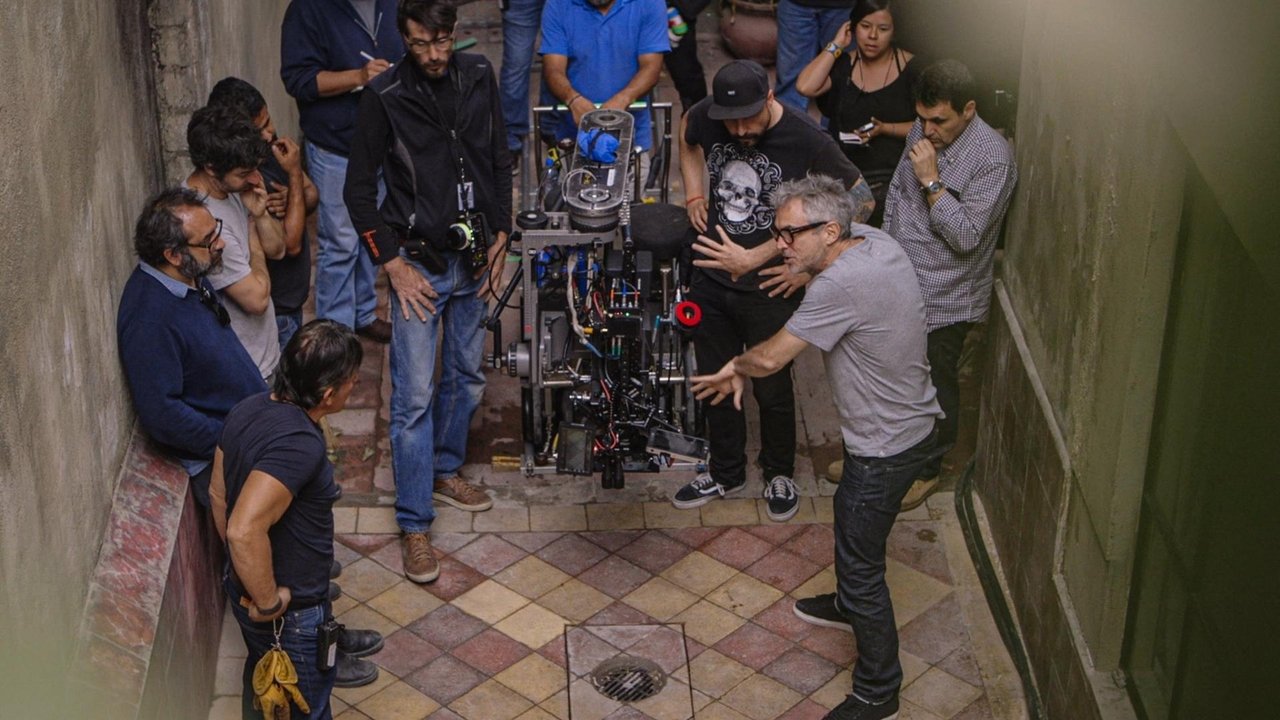 2020Road to Roma★ 7.8 · Film
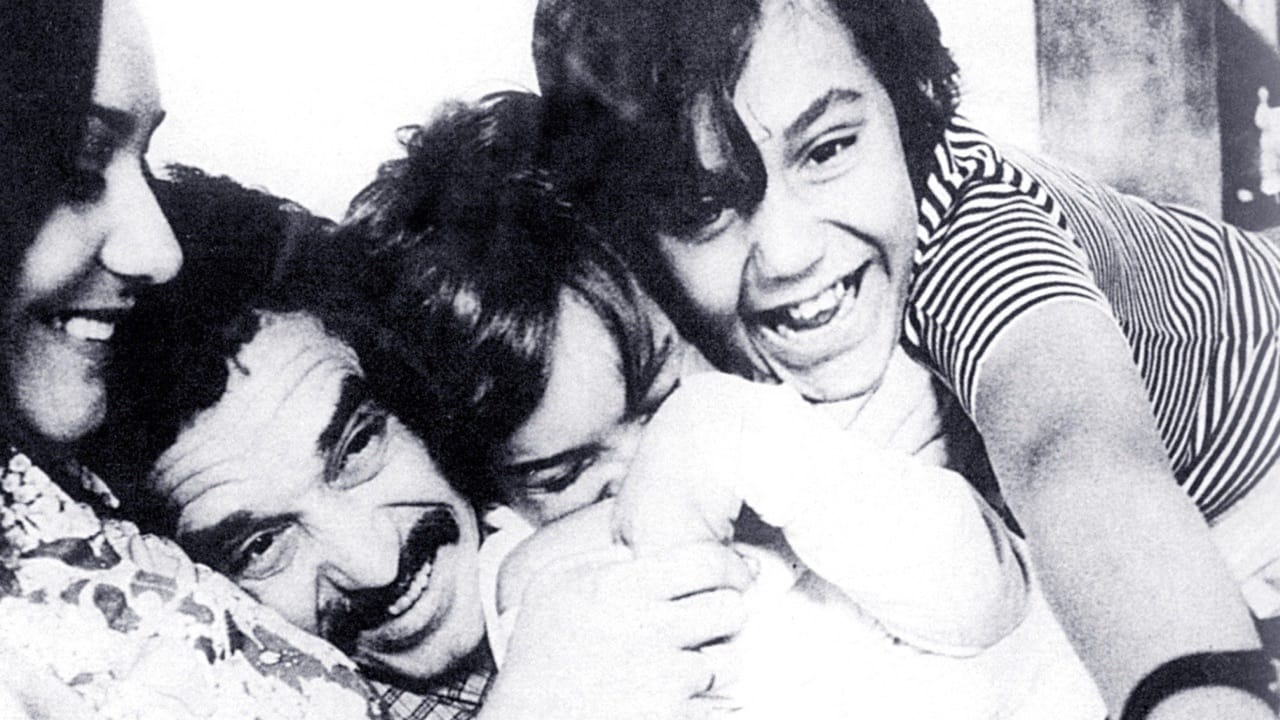 2015Gabo: The Creation of Gabriel García Márquez★ 7.5 · Film
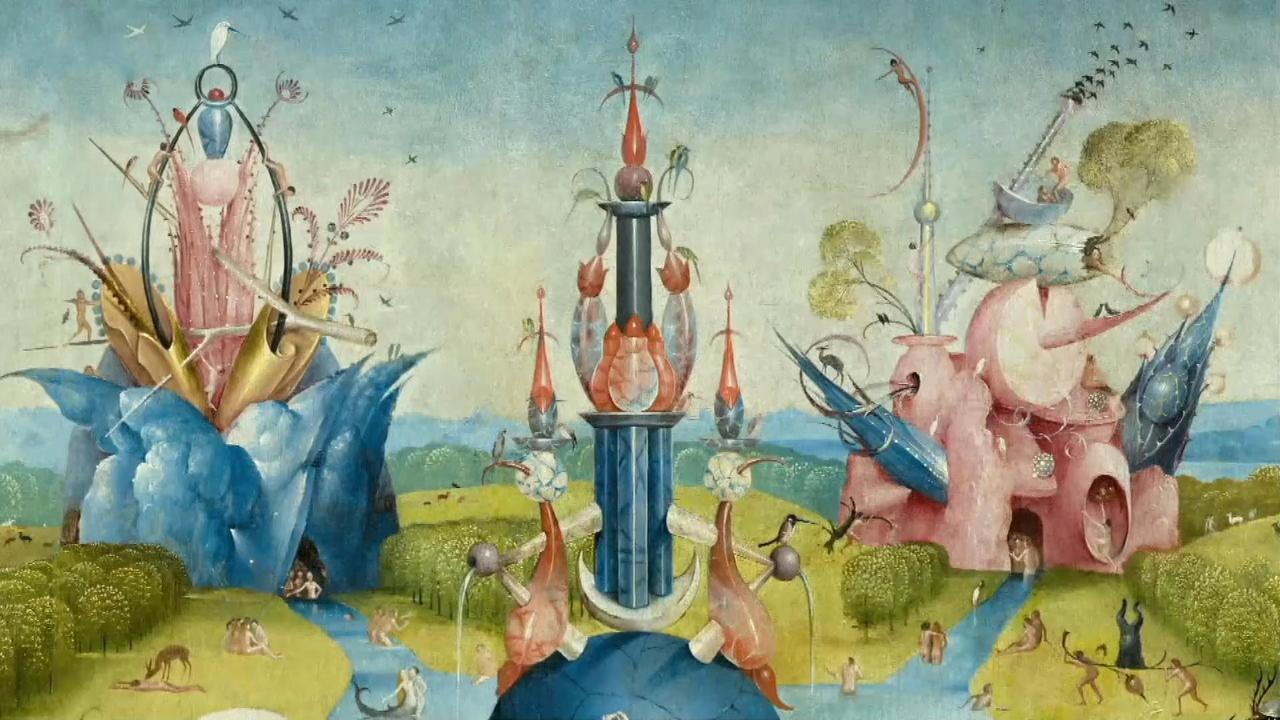 2016Bosch: The Garden of Dreams★ 7.1 · Film
 2018Betty White: First Lady of Television★ 7.3 · Film
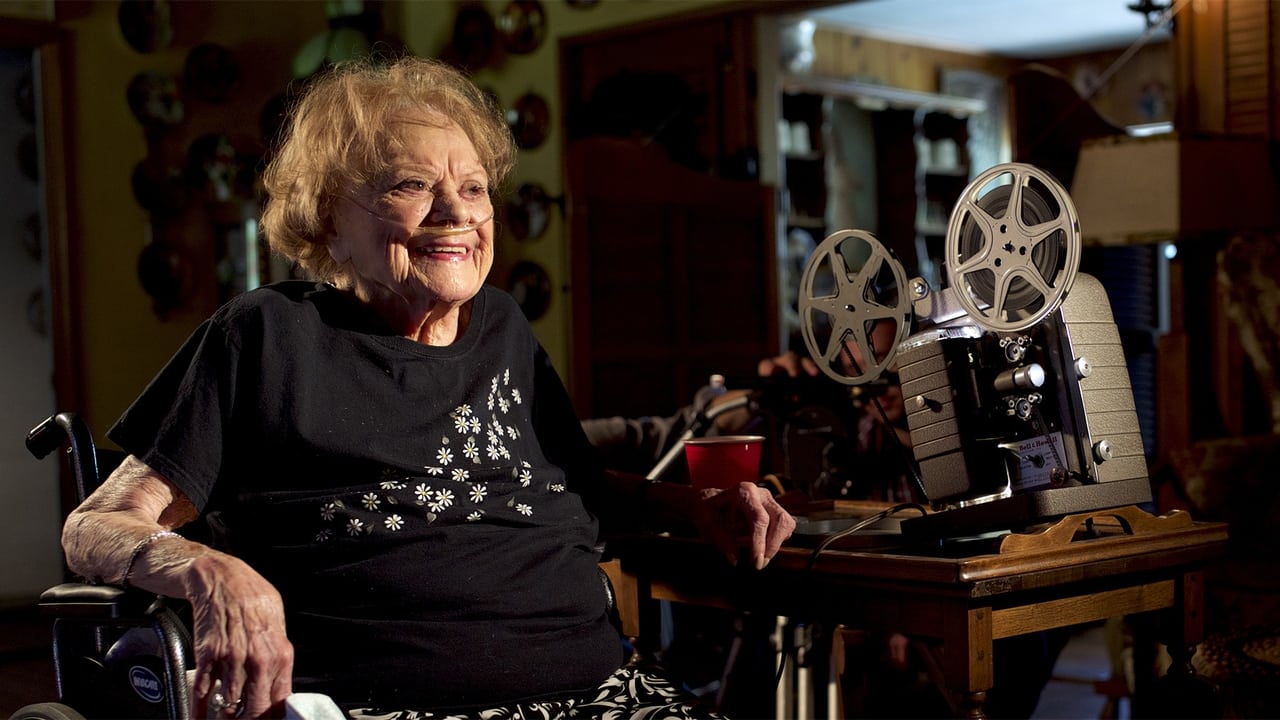 2017Wait for Your Laugh★ 7.6 · Film
 2024Bogart: Life Comes in Flashes★ 6.9 · Film
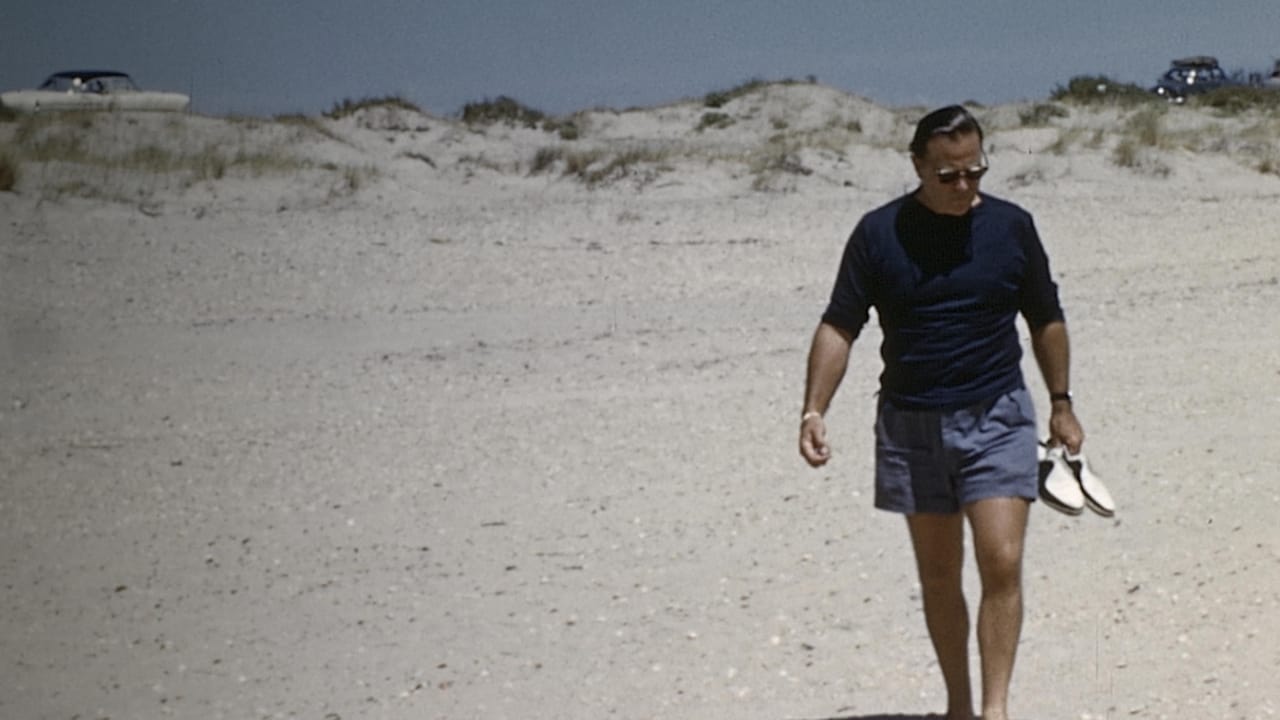 2020My Mexican Bretzel★ 6.6 · Film
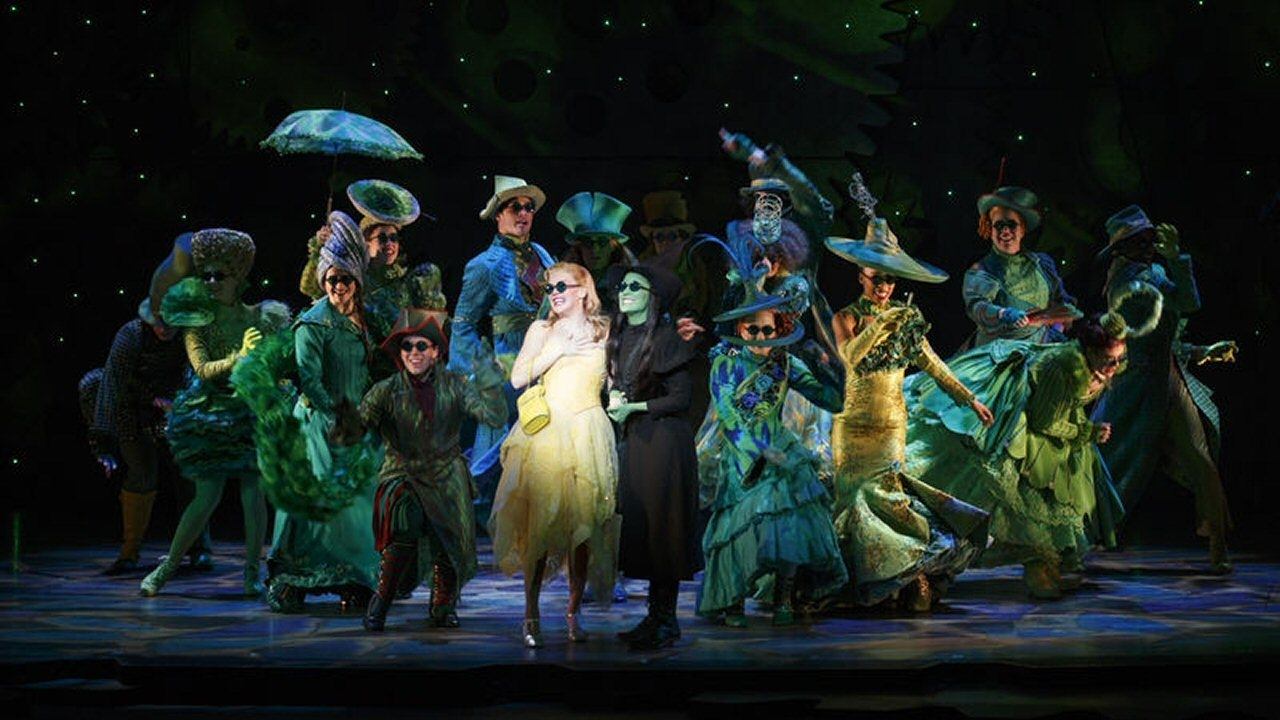 2007ShowBusiness: The Road to Broadway★ 7.2 · Film
Nature and travel
See all (23)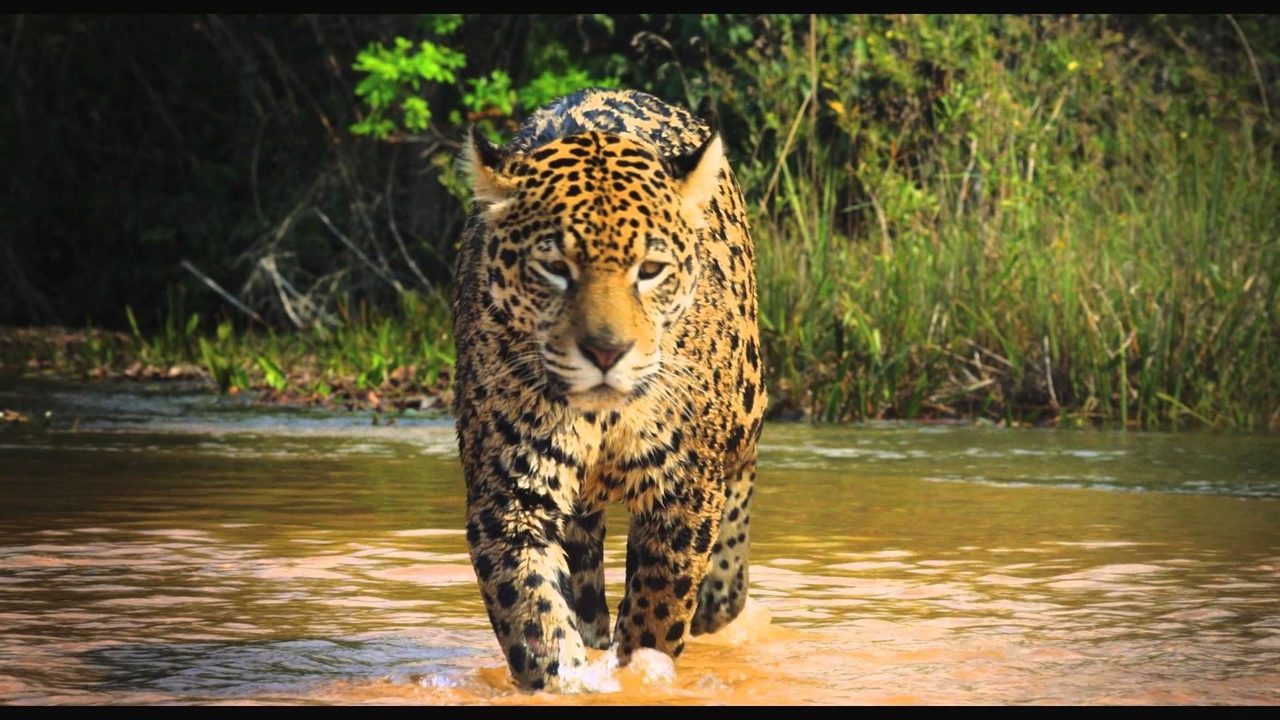 2015
2015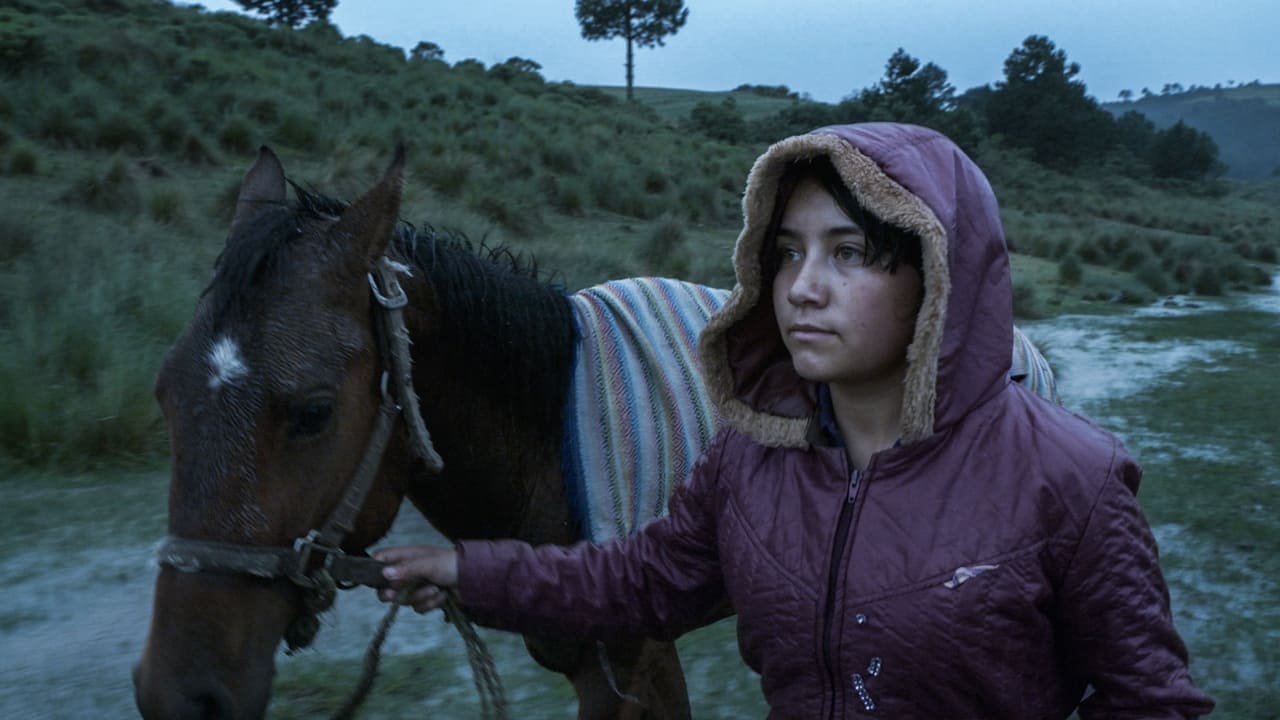 2024
2024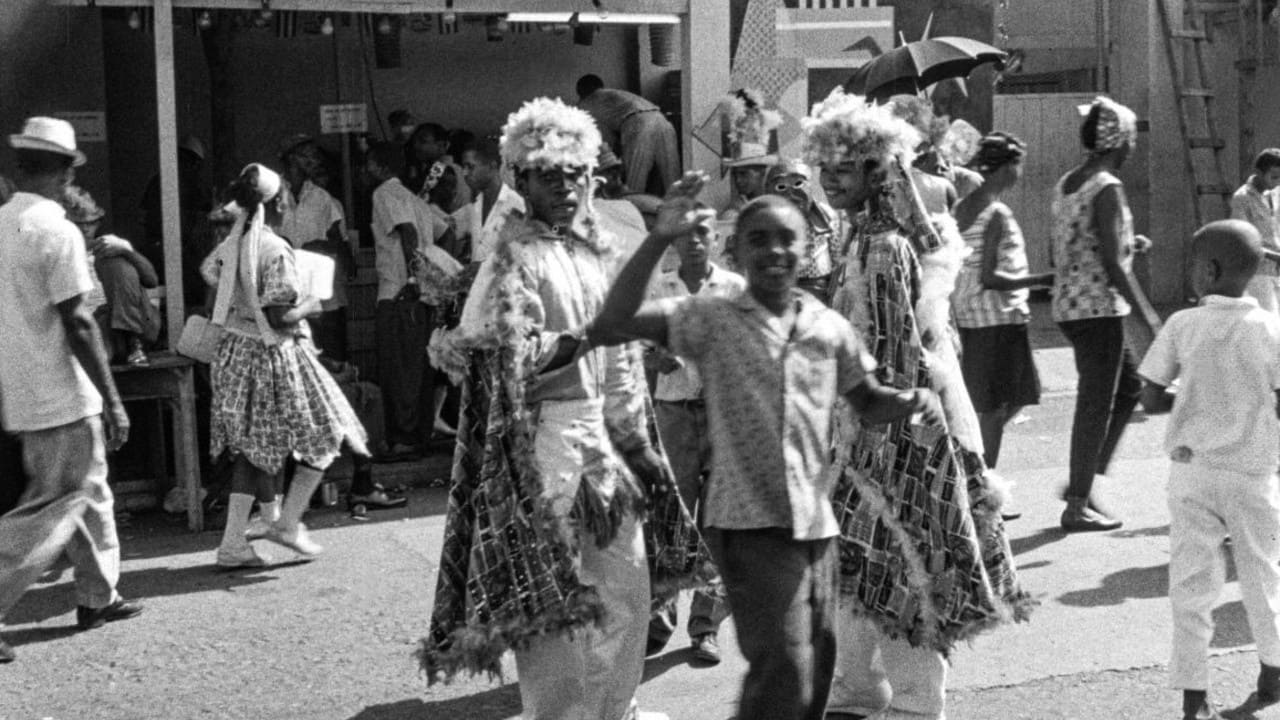 1964
1964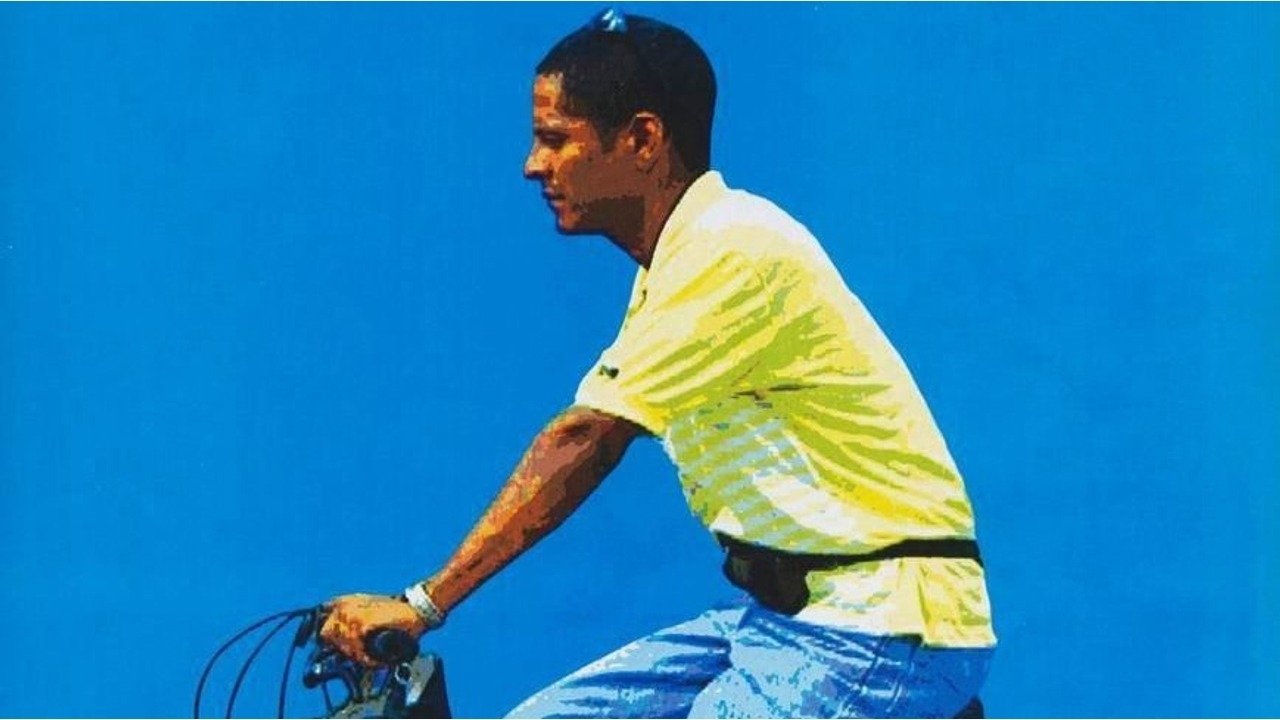 2003
2003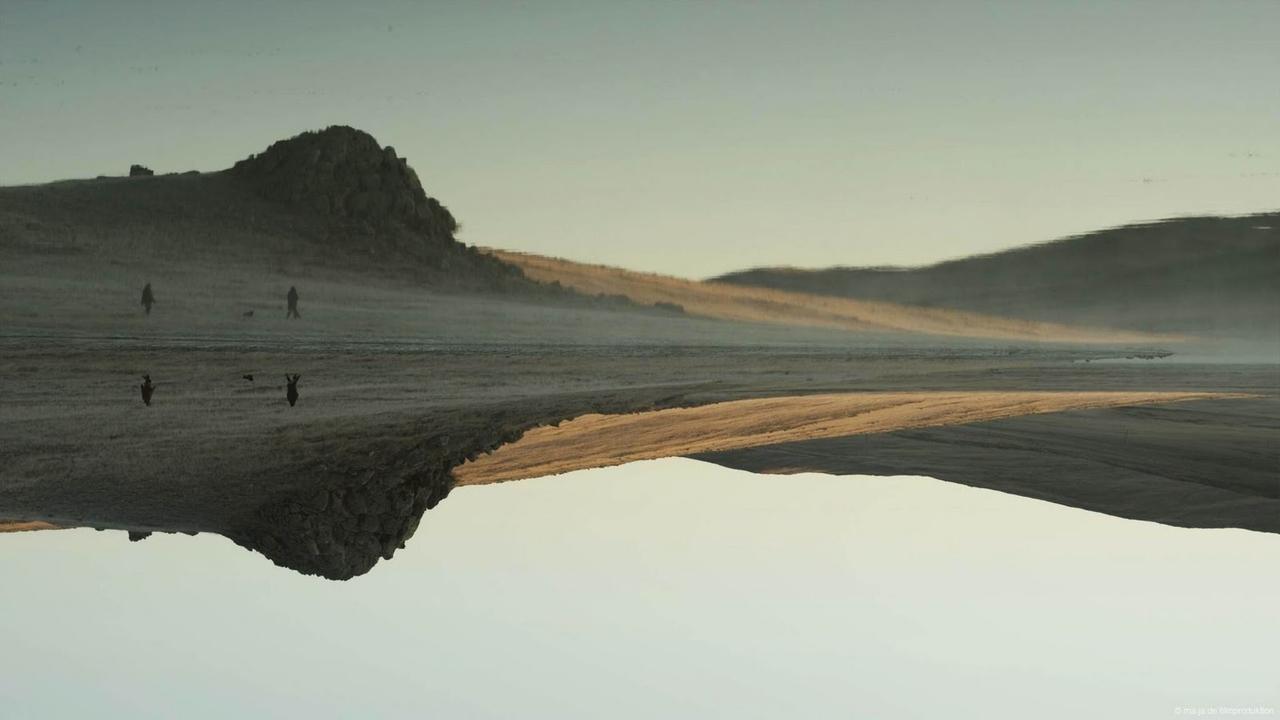 2011
2011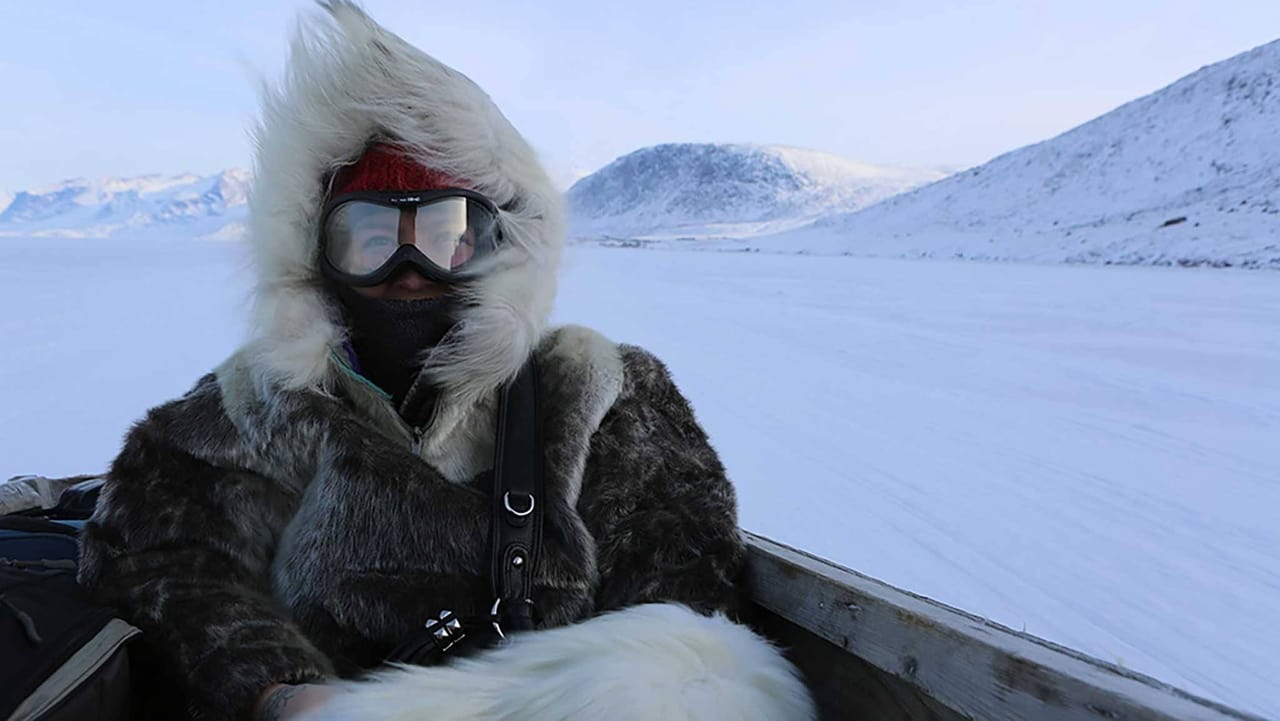 2016
2016 2019
2019 2012
2012History and society
See all (22)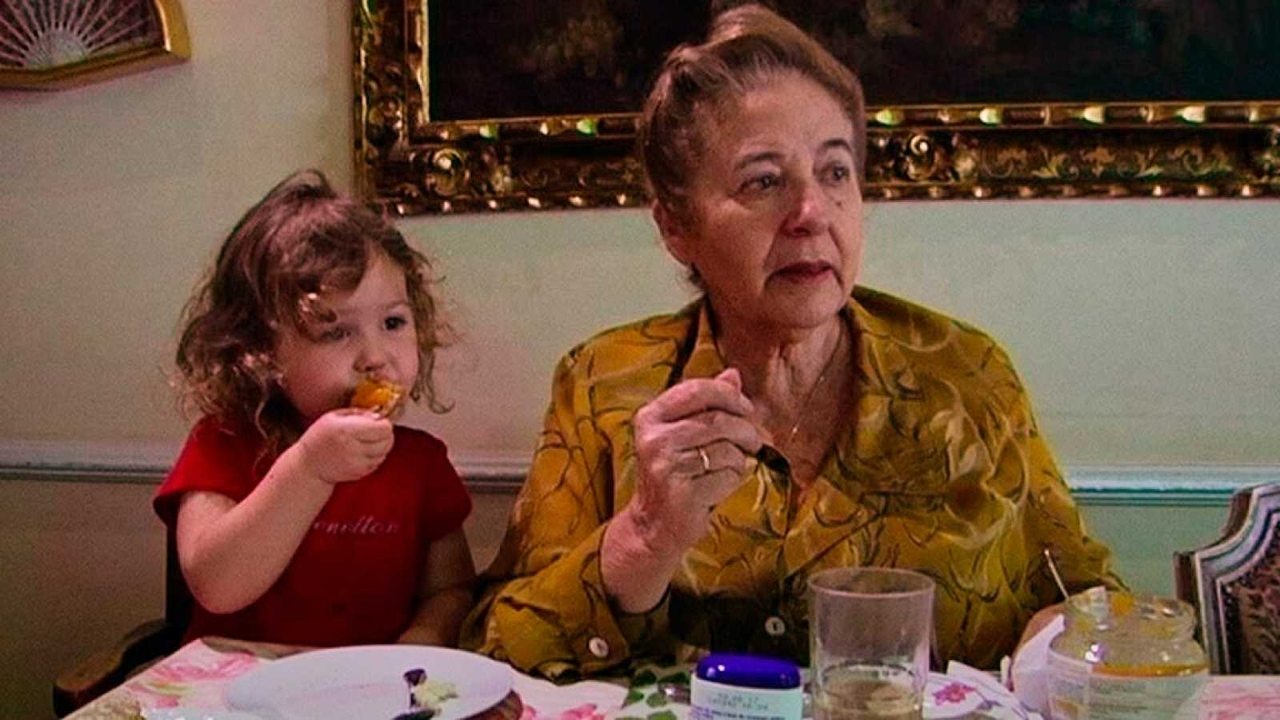 2017Lots of Kids, a Monkey and a Castle★ 7.3 · Film
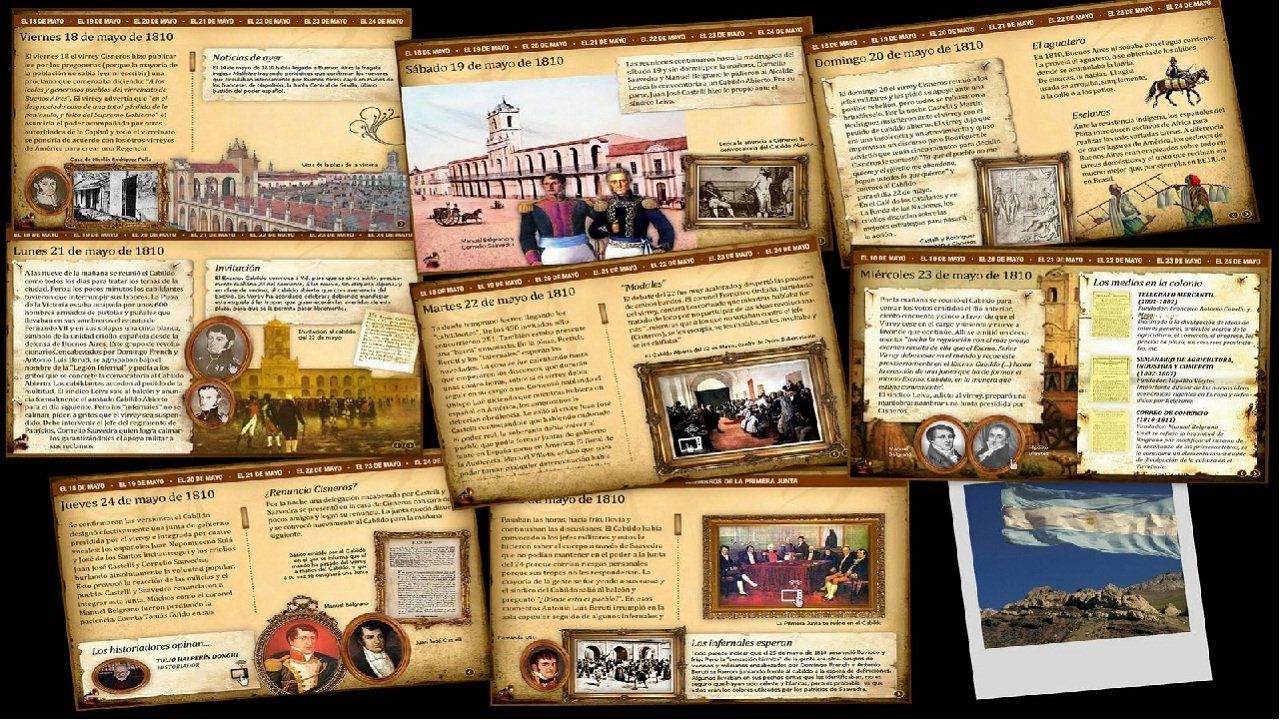 2005 · 12 ep.Algo habrán hecho★ 8.8 · Series
 2014Tea Time★ 7.1 · Film
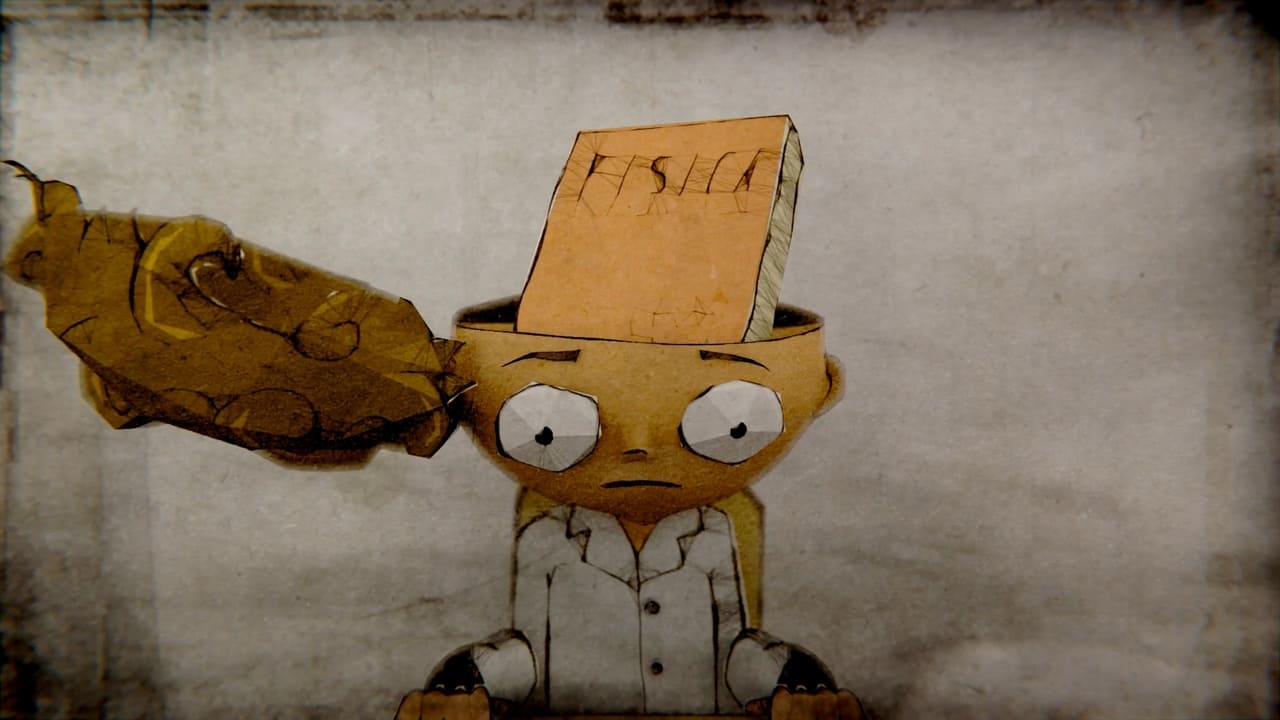 2012The Forbidden Education★ 7.0 · Film
 2021100 Days with Tata★ 7.3 · Film
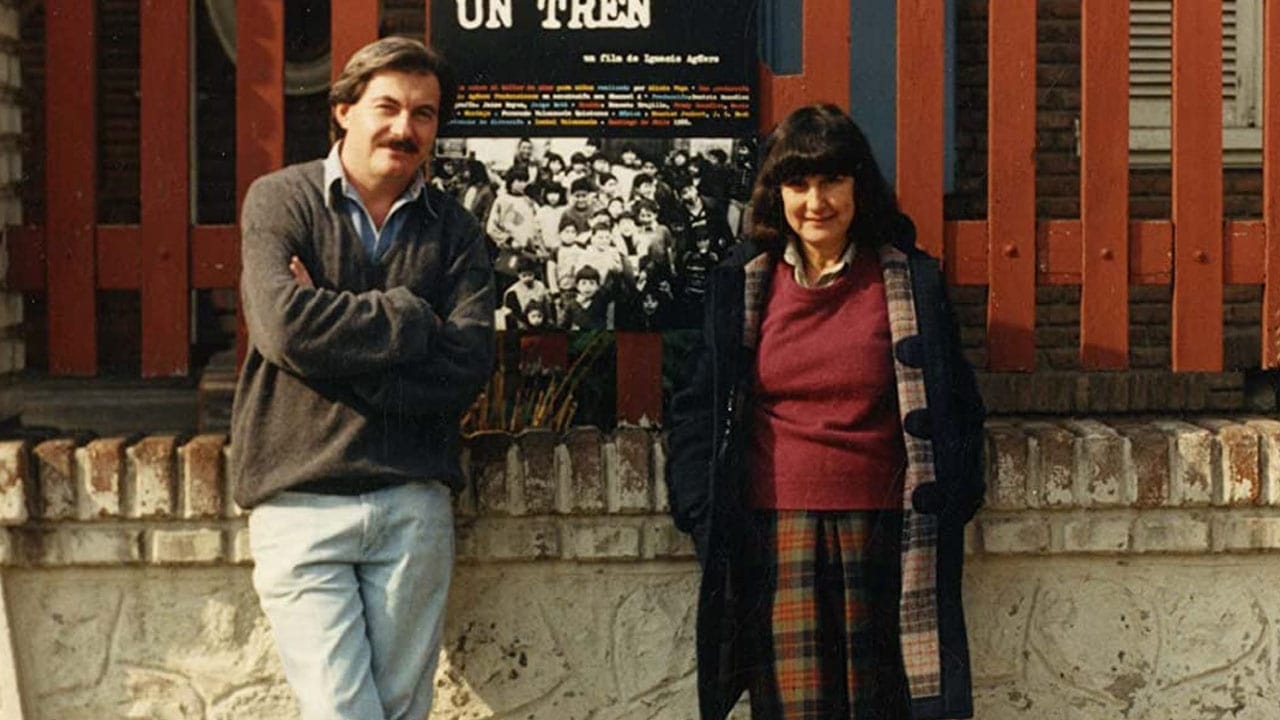 1990One Hundred Children Waiting for a Train★ 7.6 · Film
 2012Saving the Titanic★ 7.8 · Film
 2021Spain: The First Globalization★ 7.4 · Film
The DocumaniaTV guide to documentaries
DocumaniaTV: documentaries in Spanish and English, with Chivas: The Movie, Heroes: Silence and Rock & Roll, Colombia: Wild Magic, BREAK IT ALL, Road to Roma, Algo habrán hecho and Al Filo De Lo Imposible
The Spanish-speaking world makes documentaries with a flavour all its own. A camera follows a flamenco dancer back to the stage after thirty years away; a film crew spends four seasons in a village of fourteen people on the high plateau of Soria; a football club in Guadalajara lets the cameras into the dressing room during the best run in its recent history; an Argentine historian walks through two centuries of his country with a comedian at his side. DocumaniaTV is a guide to 178 documentary films and series of this kind, made between 1963 and 2026 in Spain, Mexico, Argentina, Colombia, Chile, Cuba and Peru, together with a shelf of English-language films about music, comedy and the cinema. It sorts them by subject, and gives each a page with its country, its director, its running order and a Watch now button that leads to the official services carrying it.
The catalogue holds 145 films and 33 series, and the series have 663 episodes between them. One hundred and twenty-six titles were made in Spanish and fifty-two in English. Thirty-seven are about sport, forty-four about music and dance, fifty-two about the arts and the cinema, twenty-three about nature and travel, and twenty-two about history and society. This guide takes the five categories one at a time, then looks at the catalogue by country and by language, at the series, at choices for children, and at the search and My List, and it closes with a plan for a first fortnight.
What DocumaniaTV is
DocumaniaTV is a viewing guide. Each of its 178 pages describes one documentary: what it is about, when and where it was made, who directed it, who appears in it, how long it runs and, for a series, how its seasons and episodes are arranged. At the top of every page sits a Watch now button with a country selector beside it. Choose the country you are in, press the button, and JustWatch opens with the list of services that carry the title there, whether by subscription, rental, purchase or free with advertising. The guide itself is a catalogue and a companion: it helps you decide what to watch and then points you to the place where the film is officially shown. The how to watch page sets out the three steps in brief.
The selection was made by hand. Every summary was read, and the titles were chosen so that parents, grandparents and children can sit down together. That is why the catalogue leans towards sport, music, painting, books, animals, landscapes, kitchens and the gentler corners of history, and why its 178 titles come from a much longer list of candidates. A documentary earned its place by being about something worth an evening and by treating its subject with warmth.
The name carries a promise of enthusiasm, and the catalogue tries to keep it. A person with a mania for documentaries is someone who will happily watch ninety minutes about accordion makers in Colombia one night and ninety minutes about the builders of a medieval palace the next. The five categories are wide enough for that kind of curiosity, and the lists by country and decade let you follow a thread once you have found one.
How the pages are arranged
The home page follows the plan of a video library. A dark blue-grey bar runs across the top with the logo at the left, the search field in the centre and the green My List button at the right. Beneath it a white strip carries the menu: Films, Series, the five categories and the A to Z. The page itself is light grey, and everything on it sits in white panels, each with a small heading in capitals over a thin rule.
At the left of the home page a white column lists the five categories with the number of titles in each, followed by ten further lists: all films, all series, the two languages, Spain, Latin America, three periods and the top rated. The centre of the page begins with a panel of recently made documentaries and continues with one panel per category, eight thumbnails in each. Every thumbnail is a wide still from the film, with a dark label in its lower corner giving the year and, for a series, the number of episodes. The title sits beneath in plain type, with the score and the format under it.
On a telephone the column of categories moves above the panels and the thumbnails stand two to a row, so the whole catalogue stays within reach of a thumb. The three-bar button in the top bar opens the menu and a search field of its own.
Sport: clubs, champions and expeditions
Sport is the liveliest shelf in the catalogue, with thirty-seven titles, and football leads it. Chivas: The Movie is the best-loved film on DocumaniaTV by number of votes. It follows Club Deportivo Guadalajara, the Mexican club known as Chivas, through several recent seasons under the coach Matías Almeyda, with the highs and lows that every supporter knows by heart. Its neighbour Club América vs. Club América gives six episodes to the great rival from Mexico City, the club with the most titles in the country, and looks at its past, its present and the character of its players. Put the two together and you have a week of Mexican football from both sides of the oldest argument in the league. The sport guide gives a short tour of the shelf, and the football guide gathers the nineteen titles about the game.
Spain is just as well served. Barça Dreams tells the story of FC Barcelona from its founding to the years of Lionel Messi, with Johan Cruyff and Andrés Iniesta among the voices. Real Madrid: The White Legend answers with six episodes on the club from the capital, and Megastructures: Real Madrid Super Stadium is an engineering film about the rebuilding of the Santiago Bernabéu. The national team has two films of its own: ¡Campeones! La Roja follows the side that won the European Championship of 2008 and the World Cup of 2010, and Los secretos de La Roja : Campeones del mundo returns ten years later to the night of 11 July 2010 with the players themselves. My Decision, by Andrés Iniesta is the quiet postscript, a portrait of the midfielder who scored the winning goal as he weighs his future after an injury.
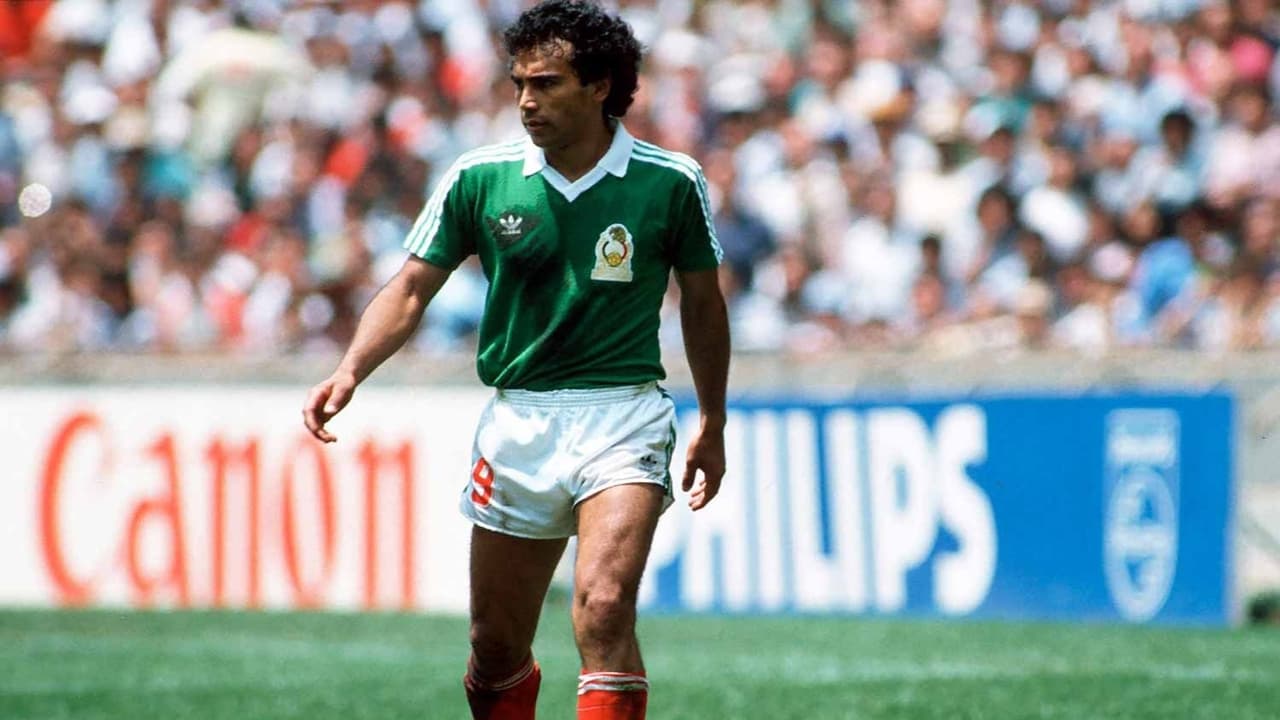
South America adds 1986. The story behind the Cup, a film of anecdotes and testimony about Argentina's World Cup in Mexico; Boca Juniors 3D: The Movie, a visit to La Bombonera, the stadium in Buenos Aires; Higuita: The Way of the Scorpion, about the Colombian goalkeeper René Higuita and the famous kick that gave the film its name; and Históricas, which follows the women of the Chilean national team on their way to a first World Cup. Hugo Sánchez, the Goal and the Glory traces the Mexican striker from the university side to Real Madrid, and Captains of America gives four episodes to eight players from across the continent.
Beyond football the shelf is pleasantly varied. Tennis has Guillermo Vilas: Settling the Score, in which a journalist spends years proving that the Argentine champion deserved the top ranking of the 1970s, along with En primera persona: Juan Martín Del Potro and the three-part Carlos Alcaraz: My Way. Lucha: Playing the Impossible is a portrait of Luciana Aymar, eight times voted the best field hockey player in the world. Karate-do: The Path of Sandra Sánchez follows the Spanish karateka to Olympic gold, Ride Your Dream rides with the motorcycle champion Ana Carrasco, and Jugando con el Alma remembers the Argentine basketball team that won gold in Athens in 2004, with Emanuel Ginóbili among its voices.
The shelf ends in the open air. Al Filo De Lo Imposible is the great Spanish adventure series, begun in 1982, in which climbers, cavers and paddlers travel to the highest and wildest places on earth; viewers give it the highest score in the catalogue. Atlantis Expedition records five Argentines who crossed the Atlantic on a raft of logs in 1984 to show that ancient sailors could have made the voyage. Sea Nomads follows two brothers surfing down the Pacific coast of the Americas, and Calleja en el Espacio follows the presenter Jesús Calleja as he trains to travel beyond the atmosphere. The oldest sport film here, The Olympics in Mexico, is Alberto Isaac's record of the Games of 1968, a wide-screen spectacle that was nominated for an Academy Award.
Music and dance: flamenco, tango and rock in Spanish
Forty-four titles belong to music and dance, and the heart of the shelf is flamenco. Flamenco, made by Carlos Saura in 1995, is the best place to begin. Saura gathered the finest singers, guitarists and dancers of the day in a disused railway station in Seville, lit them against plain screens, and filmed thirteen styles one after another: bulerías, soleares, tangos, a farruca, a martinete. There is very little talk; the film trusts the art to explain itself, and it does. Paco de Lucía plays in it, and Paco de Lucía: La Búsqueda, directed by his son, tells the guitarist's whole story from Algeciras to the concert halls of the world. The music guide offers a quick way in, and the flamenco and tango guide follows those two traditions.
The singer Camarón de la Isla is the subject of two films. Camarón: The Film is the biography, from a childhood in San Fernando to the records that changed the sound of flamenco, and it speaks tenderly of his early death. The Legend of Time is a stranger and more poetic work, part documentary and part story, about a boy on the Isla and a Japanese woman who travels there because of his voice. Dance has La Chana, in which Antonia Santiago Amador, the fastest feet of the 1970s, prepares to dance once more while seated on a chair, and Sara Baras, All Her Voices, which follows the dancer from Cádiz as she builds a new show. The Flamenco Guitar of Yerai Cortés brings the tradition up to 2024 through a young guitarist and his family.
Across the ocean the same care is given to tango. Café de los maestros brought the great names of the golden age, Mariano Mores, Leopoldo Federico and Nelly Omar among them, back into the studio and then on to the stage of the Teatro Colón. Tango: Our Dance, made in Buenos Aires in 1988, watches the dancers in the neighbourhood halls and asks what the dance means to them. Astor Piazzolla: tango nuevo is a portrait of the bandoneon player who carried tango from the dance floor to the concert platform. Mercedes Sosa: The Voice of Latin America turns to folk song and to the singer from Tucumán whom a whole continent called La Negra.
Cuba and Colombia bring warmth of their own. And... We've Got Sabor, a short film of 1967, is a guided tour of Cuban instruments and rhythms led by the rumba musician Alberto Zayas. Cuba Feliz travels the island with a seventy-six-year-old troubadour and his guitar. The Accordion’s Voyage follows three Colombian musicians from the vallenato festival of Valledupar to the German town where their instruments are made, and Salsa Lives traces salsa from the streets of New York to Cali, with Rubén Blades among its guides.
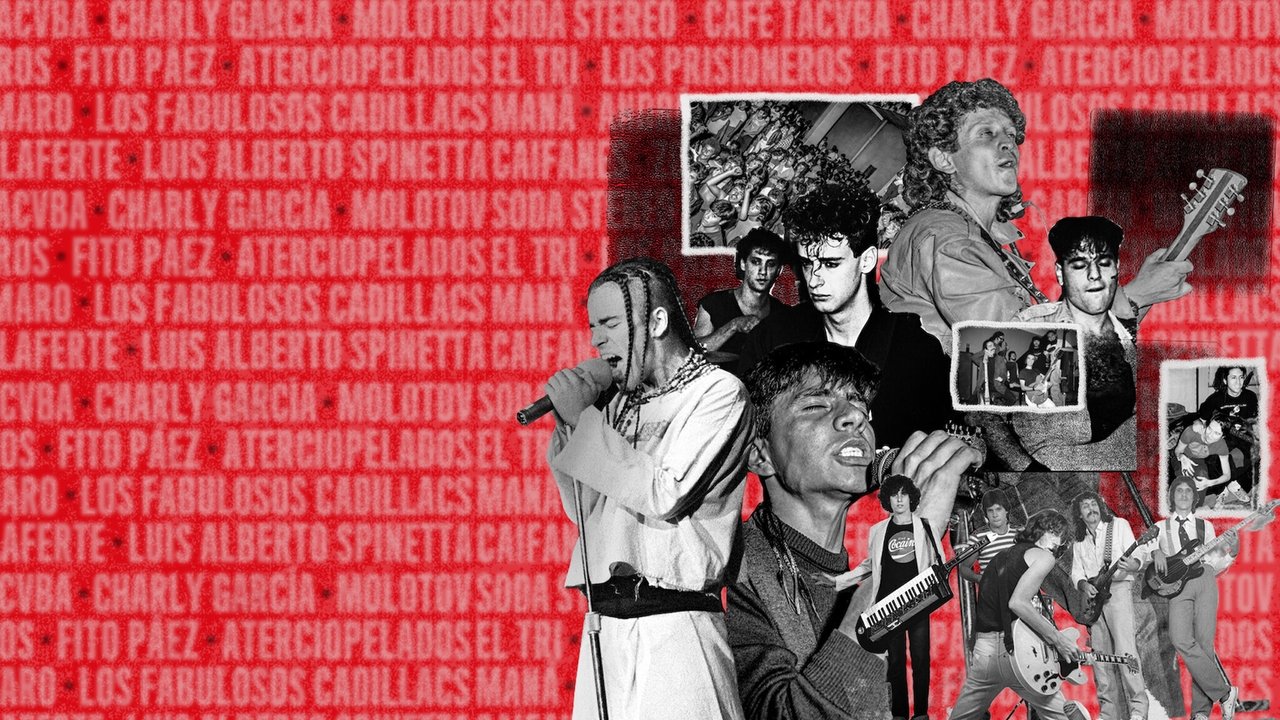
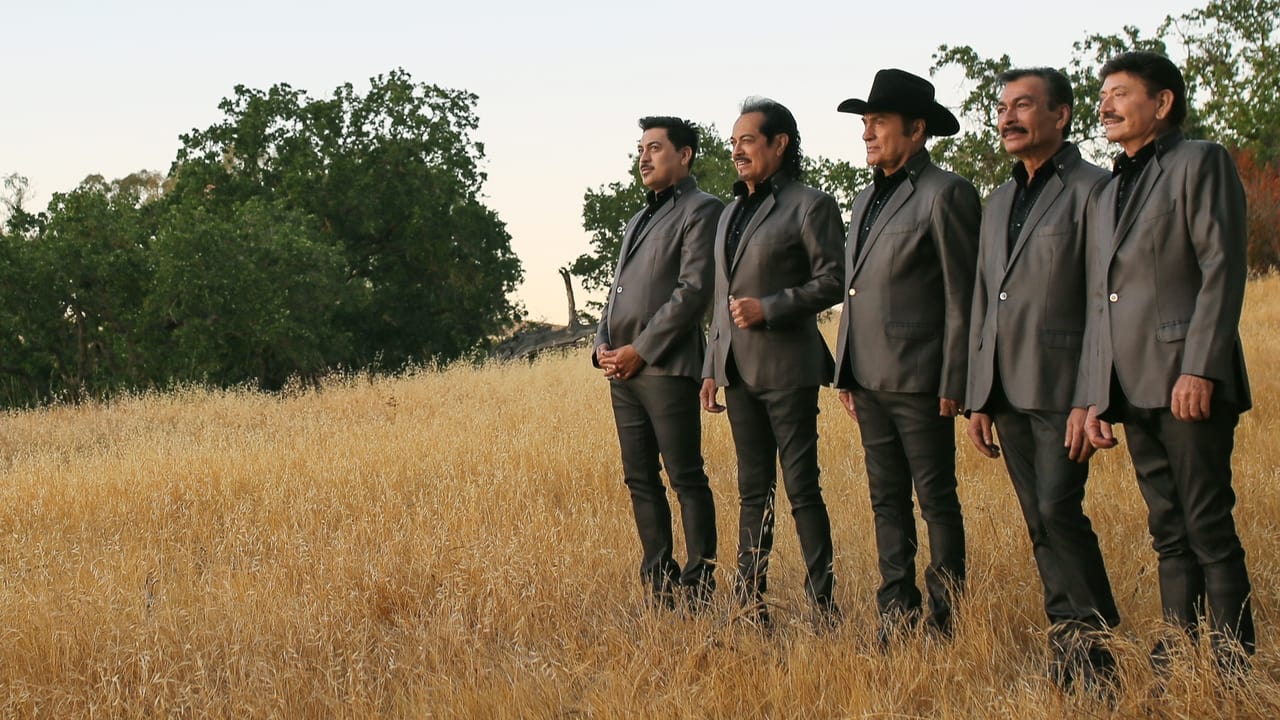
Rock sung in Spanish has a history as rich as any, and BREAK IT ALL: The History of Rock in Latin America tells it in six episodes, from the first bands of the 1960s to Soda Stereo and Café Tacvba, with the producer Gustavo Santaolalla leading the way. Single films fill in the detail: Heroes: Silence and Rock & Roll on Héroes del Silencio, the band from Zaragoza fronted by Enrique Bunbury; Bios: Andres Calamaro on the Argentine songwriter; Continue Being: Café Tacvba on the Mexican quartet at twenty; and Los Tigres Del Norte: Stories to Tell on the norteño band whose ballads have chronicled Mexican life for half a century. Juan Gabriel: I Must, I Can, I Will gives four episodes to the best-loved songwriter in Mexico, drawn from his own home films, and This was Pedro Infante, the oldest title in the catalogue, is a tribute of 1963 to the singing film star, built from scenes of his pictures.
Spanish television contributes Cachitos de hierro y cromo, a programme of 156 episodes that raids the public broadcaster's archive for old performances and sets witty captions over them; it is the longest-running music series here and the easiest to dip into. Alejandro Sanz: What I Was Is What I Am follows the Madrid singer to a stadium concert in 2017, Marisol: llámame Pepa remembers the child star Pepa Flores, and Violetta: The Journey is a farewell for the young audience of the Argentine series. El corazón del Teatro Real goes behind the curtain of Madrid's opera house in its two hundredth year, and Europe in 8 Bits meets the musicians who compose on old game consoles.
The English-language corner of the shelf is strong on the history of records. Stax: Soulsville USA tells in four episodes how a small label in Memphis gave the world Otis Redding and Booker T. and the M.G.'s. Disco: Soundtrack of a Revolution does the same for the dance floor of the 1970s, and I Want My MTV for the television channel that changed pop in 1981. Rumble: The Indians Who Rocked the World restores Native American musicians to their place in the story of rock; Mavis! celebrates the gospel and soul singer Mavis Staples; Wayne Shorter: Zero Gravity is a three-part portrait of the jazz saxophonist; and Now and Then - The Last Beatles Song explains in twelve minutes how the final Beatles record was finished. Live from Lincoln Center, on air since 1976, brings concerts, opera and ballet from New York.
Arts and cinema: painters, writers and film-makers
The largest category, with fifty-two titles, gathers the arts. Painting comes first. Bosch: The Garden of Dreams spends ninety minutes in front of a single picture, The Garden of Earthly Delights in the Prado, and invites writers, musicians and scientists, Salman Rushdie and Orhan Pamuk among them, to say what they see. It is a film for anyone who has stood before that triptych and wished for more time. The Key to Dalí is a detective story with a happy ending: a scientist buys a small painting in 1989 believing it to be an early Dalí and spends twenty-five years establishing the truth. Gabriel Orozco watches the Mexican artist at work in the street and the studio, and Eye of the Soul - Cristina García Rodero accompanies the photographer who spent decades recording the festivals of rural Spain. The arts guide picks a dozen to start with.
Literature is well represented. Gabo: The Creation of Gabriel García Márquez asks how a boy from Aracataca became the author of One Hundred Years of Solitude, and answers with the help of friends, biographers and fellow novelists. Julio Cortázar has two films: Cortázar, a portrait of 1994, and Cortázar y Antín: cartas iluminadas, about the letters he exchanged across the ocean with the young director who filmed his stories, which is one of the highest-scored titles in the catalogue. Antonio Machado: los días azules visits the towns where the poet lived, from Seville to Soria to Collioure. Las sinsombrero recovers the women writers and painters of the Generation of 1927, To Spanish Women. María Lejárraga tells of a playwright whose work appeared under her husband's name, and The Writer: Almudena Grandes lets the Madrid novelist speak in her own words. From Canada comes Margaret Atwood: A Word After a Word After a Word Is Power.
Then there is the cinema looking at itself. Road to Roma is Alfonso Cuarón's account of how he rebuilt the Mexico City of his childhood, street by street, for the film that won him the Academy Award. Luis Buñuel has two portraits, Buñuel of 1984 and the fuller Speaking of Buñuel of 2000, which travels from Calanda to Paris to Mexico. Saura(s) shows Carlos Saura with his seven children; FFG, el último gran conversador remembers the actor and director Fernando Fernán Gómez; Light Years observes Lucrecia Martel on the set of Zama; and Barefoot in the Kitchen reviews the roles Spanish cinema has given to women since the 1930s. I Am Your Father is the most popular film in this group: two Spanish directors seek out David Prowse, the English actor inside Darth Vader's armour, and arrange a touching surprise for him.
The stage and the small screen have their chroniclers too. Tricicle: un último gesto catches the three Catalan mimes minutes after their final performance, after forty years together. Marceline, the Best Clown in the World rediscovers Marcelino Orbés, a clown from Aragon who filled the New York Hippodrome in the 1900s. Eugenio tells the story of the Barcelona jeweller who became Spain's favourite teller of jokes, Grazing the Sky travels through eleven countries with trapeze artists and acrobats, and Narciso Ibáñez Serrador: historias para recordar honours the man who invented much of Spanish television entertainment. Arcadeología follows the volunteers in Valencia who rescue and restore old arcade machines, a labour of love that will delight anyone who grew up with a pocketful of coins.
The English-language films in this category are mostly about Hollywood and comedy, and they make easy, cheerful viewing. You Must Remember This: The Warner Bros. Story is a studio history in the grand manner; 1939: Hollywood's Greatest Year looks at the twelve months that produced Gone with the Wind, Stagecoach and The Wizard of Oz; and The Wonderful Wizard of Oz: 50 Years of Magic, presented by Angela Lansbury, is a birthday party for the last of those. Embracing Chaos: Making The African Queen recounts how John Huston took Humphrey Bogart and Katharine Hepburn up an African river, and Bogart: Life Comes in Flashes is a new life of the actor. The Men Who Made the Movies: Howard Hawks lets the director talk through his own films, and The Sci-Fi Boys and Making Apes: The Artists Who Changed Film salute the makers of monsters and masks.
For laughter there is Mel Brooks: Make a Noise, which runs from live television in the 1950s to The Producers on Broadway; Betty White: First Lady of Television, the authorised portrait of a career that lasted eighty years; Wait for Your Laugh, about Rose Marie, who began as a child singer on the radio in the 1920s; and Carol Burnett: 90 Years of Laughter + Love. Britain sends Happy Birthday Mr Bean and the earlier The Story of Bean, in which Rowan Atkinson explains where his silent hero came from, together with Billy Connolly: Made in Scotland and From Roger Moore with Love. Shakespeare Live! From the RSC marks four hundred years since the playwright's death with an evening of scenes from Stratford-upon-Avon, and Les Misérables: The History of the World's Greatest Story follows Victor Hugo's novel from the page to the musical stage.
Nature and travel: wildlife, villages and journeys
Twenty-three titles look outward to the natural world and to the places where people live close to it. Colombia: Wild Magic is the showpiece. Filmed over several years in twenty ecosystems, from the Pacific coast to the Amazon and the high páramo, it presents hummingbirds, jaguars, humpback whales and condors in images of great splendour, and it was a sensation in Colombian cinemas. It holds one of the highest scores on DocumaniaTV and suits every age. The nature guide lists the highlights.
Spain's own wildlife has an exceptional chronicler in Joaquín Gutiérrez Acha. Guadalquivir follows a fox along the great river of Andalusia from the mountains of Cazorla to the marshes of Doñana, and Dehesa: The Forest of the Iberian Lynx explores the open oak woodland of the south-west, home to the lynx, the imperial eagle and the black vulture. Both are narrated in a calm voice over patient photography. Water Life, a Spanish series of twenty-six episodes, travels the world to film rivers, lakes, wetlands and seas and the creatures that depend on them; viewers score it nine out of ten. Panteras: viviendo entre felinos sends the photographer Andoni Canela and his young son in search of the big cats of five continents, and Wild Window: Bejeweled Fishes simply drifts over coral reefs in the eastern Pacific, a restful hour for the end of a day. Flamingos: Life After the Meteorite, the newest title in the catalogue, watches a colony of flamingos raise its young on the coast of Yucatán.
A second group of films looks at villages, and here the Spanish-language documentary is at its most distinctive. The Sky Turns is Mercedes Álvarez's return to Aldealseñor, the village in Soria where she was the last child to be born. She films it for a year, through four seasons, as its fourteen residents talk about the castle, the dinosaurs' footprints and the wind turbines arriving on the hill. It is slow, funny and wise. The Echo spends a year with the children of a highland village in Mexico who tend sheep and study by turns. Jerico: The Infinite Flight of Days listens to eight women of a town in the Colombian coffee country, and Daughter of the Lake accompanies an Andean woman in Peru who speaks to the lakes of her mountains as to members of her family.
Some of these films are journeys. In Donkeyote, Manolo, a seventy-three-year-old Andalusian, decides to walk the Trail of Tears in the United States with his donkey Gorrión and his dog, and sets out to arrange the passage; the film is a comedy of stubbornness and affection. ¡Vivan las Antipodas! visits four pairs of places that lie exactly opposite each other on the globe, beginning with a river crossing in Entre Ríos and the city of Shanghai, and turns the camera upside down to join them. Humboldt in Mexico: The Gaze of the Explorer retraces the scientist's travels of 1803, and Por el Mundo is an Argentine travel programme with the presenter Marley. Two Cuban films, I'm Going to Santiago of 1964 and Suite Habana of 2003, are portraits of cities: the first a sixteen-minute walk through Santiago de Cuba by Sara Gómez, the second a day in Havana told through ten residents and their routines, with music in place of words.
The dogs of Los Reyes deserve a paragraph to themselves. Chola and Fútbol live in the oldest skatepark in Santiago de Chile, and the directors filmed them for months at ground level, playing with a ball, dozing in the sun and watching the skaters come and go. The teenagers are heard but hardly seen; the stars are the two dogs, and the result is among the most original animal films of recent years. Mountain in Shadow observes skiers from far away until they become specks on the snow, and Snake City, an English-language series from South Africa, rides along with a snake catcher in Durban, a programme best kept for older children.
History and society: the past, the table and family life
The fifth category, with twenty-two titles, joins history to everyday life. Algo habrán hecho is its landmark. In twelve episodes the historian Felipe Pigna and the presenter Mario Pergolini walk through the history of Argentina, from the last years of Spanish rule to the twentieth century, stepping in and out of re-enacted scenes; viewers give it one of the highest scores in the catalogue. Spain: The First Globalization offers a new reading of the centuries after 1492, The Builders of the Alhambra imagines the craftsmen and poets who raised the palace in Granada under Sultan Yusuf I, El Cid, The Legend separates the knight of the chronicles from the hero of the poem, and Columbus DNA: His True Origin reports on a scientific study of the navigator's remains. From Mexico, ¿Qué onda con los 80? Archivos de México revisits a decade through the television archive. The history guide arranges it in three parts.
In English, Terry Jones' Barbarians takes four episodes to argue, with great good humour, that the Celts, Goths and Persians were more civilised than Roman writers allowed. Timeshift is a treasury of British social history in 184 episodes, each on a single subject, from seaside holidays to the typewriter. Saving the Titanic tells the story of the engineers who kept the lights burning, Miracle Landing on the Hudson reconstructs the flight that ended safely on a river in 2009, and Code 2600 recalls the early years of home computing.
Food has a small shelf of its own within this category. Cooking up a Tribute follows the three Roca brothers as they close their restaurant in Girona for five weeks and cook in six cities of the Americas with local ingredients. Finding Gastón travels through Peru with the chef Gastón Acurio, who is treated in his country as a national hero, and visits the fishermen and farmers behind his dishes. José Andrés and Family in Spain sends the chef and his three daughters on a six-part tour of Spanish regions, and Wineman spends thirty-seven episodes among vineyards and cellars.
The films about family are among the most loved in the catalogue. Lots of Kids, a Monkey and a Castle is the actor Gustavo Salmerón's portrait of his mother Julita, who as a young bride wished for exactly those three things and, improbably, obtained them all. Filmed over fourteen years, it is a comedy with a great character at its centre. Tea Time, by the Chilean director Maite Alberdi, sits at the table with five women who have met for tea once a month for sixty years. 100 Days with Tata records the weeks the actor Miguel Ángel Muñoz spent in a small flat with the ninety-five-year-old woman who helped to raise him. Maria and I is drawn from the cartoonist Miguel Gallardo's holiday with his daughter María, who has autism, and it is full of humour and tenderness.
Children and schools close the category. One Hundred Children Waiting for a Train shows the teacher Alicia Vega running a Saturday film workshop in a poor district of Santiago de Chile, where the pupils build their own zoetropes from cardboard and see a moving picture for the first time. The Forbidden Education gathers the views of teachers across Latin America who are trying new ways of running a classroom. Inocente, an American short that won the Academy Award, is the portrait of a fifteen-year-old painter in San Diego who fills her canvases with colour.
By country: Spain
Seventy of the 178 titles were produced in Spain, and they show how broad the country's documentary tradition is. Public television gave it its long series: Al Filo De Lo Imposible for adventure, Water Life for nature and Cachitos de hierro y cromo for music. The cinema gave it films of observation such as The Sky Turns and Mountain in Shadow, works of art history such as Bosch: The Garden of Dreams, and portraits of performers such as La Chana and Eso que tú me das, the last conversation of the singer Pau Donés, a film about gratitude that many viewers find deeply moving. The Spain guide suggests where to begin.
Several Spanish films are small mysteries. A Story for the Modlins begins with a box of photographs found on a Madrid pavement and pieces together the life of an American family who settled there. My Mexican Bretzel builds a story from the home films of a Swiss couple in the 1940s and 1950s. The Key to Dalí and Columbus DNA: His True Origin apply laboratory science to old questions. Each of them rewards a viewer who enjoys following clues.
Sport in Spain is covered from several angles: the two great clubs, the national team, the tennis of Carlos Alcaraz: My Way, the goalkeeping of Courtois, the Return of the Number 1 and the radio of Supergarcía, three episodes on the sports broadcaster José María García, whose late-night programme was a habit for millions. The complete list of Spanish productions is one click away in the column at the left of the home page.
By country: Latin America
Fifty-nine titles come from Latin America. Argentina and Mexico contribute just over twenty each, and Colombia, Chile, Cuba and Peru supply the rest. Mexican documentary is represented by football, by music, by the cinema of Road to Roma and by the rural life of The Echo; Nuestra Lucha Libre adds five episodes on the masked wrestlers who are folk heroes there, shown at home with their families, and México campeón del mundo asks what it would take to build a champion. The Latin America guide sorts them by country.
Argentina brings its history in Algo habrán hecho, its tango, its writers and a pair of delightful oddities. The Klezmer Project starts as a romance, when a wedding cameraman pretends to be making a documentary in order to impress a clarinettist, and becomes a real journey through eastern Europe in search of a vanishing music. BePlaying: The Voices Behind the Sound meets disc jockeys away from the stage. Chile sends Tea Time, Los Reyes, Históricas and One Hundred Children Waiting for a Train, four films that together make a fine introduction to the country's gentle school of documentary. Colombia offers Colombia: Wild Magic, Jerico: The Infinite Flight of Days, The Accordion’s Voyage and the film about Higuita, and the Dominican Republic appears in Ballplayer: Pelotero, about two teenage baseball prospects hoping for a contract.
The English-language shelf
Fifty-two titles were made in English, mostly in the United States and the United Kingdom, with three from Canada. They were chosen to sit comfortably beside the Spanish-language films, and the two shelves often speak to each other. A viewer who has enjoyed BREAK IT ALL: The History of Rock in Latin America can follow it with Stax: Soulsville USA or XTC: This Is Pop; one who liked Speaking of Buñuel can turn to The Men Who Made the Movies: Howard Hawks; and Barça Dreams pairs naturally with Fever Pitch: The Rise of the Premier League or with Once in a Lifetime: The Extraordinary Story of the New York Cosmos, in which Pelé and Franz Beckenbauer arrive in New York in the 1970s. The guide to the English shelf groups them by theme.
Other English titles stand alone. Songwriter watches Ed Sheeran write and record an album, filmed by his cousin. Geddy Lee Asks: Are Bass Players Human Too? sends the Rush bassist to visit four fellow players at home. Sunday Best: The Untold Story of Ed Sullivan explains how a television host opened his stage to Black performers. Eddie: Strongman follows an English mechanic who wishes to be the strongest man in the world, The Weight of Gold hears Olympic champions speak frankly about the pressure of competition, and Esports World Cup: Level Up reports from a tournament of video games. Angry Inuk gives a voice to Inuit families in the Canadian Arctic, The Story of Plastic examines where packaging comes from and where it goes, and Chris Hemsworth: A Road Trip to Remember is a motorcycle journey taken by the actor with his father.
The series
Thirty-three series carry 663 episodes. Four of them account for most of that total: Timeshift with 184, Cachitos de hierro y cromo with 156, Snake City with 60 and Live from Lincoln Center with 59. Each of the four is made of self-contained programmes, so you may begin anywhere. The remaining series are short. Most have between three and six parts and can be finished over a weekend: Real Madrid: The White Legend, Club América vs. Club América, Courtois, the Return of the Number 1, Juan Gabriel: I Must, I Can, I Will, Disco: Soundtrack of a Revolution, Terry Jones' Barbarians and Icons Unearthed: Marvel among them. The series guide sorts them by length.
Each series page lists its seasons in order, and each season lists its episodes with their titles and the dates on which they were first shown. For the long archive programmes this turns the page into an index: scan the list for a subject that interests you, then press Watch now to see where the series is carried in your country.
Choosing for the family
Because the selection was made with a mixed household in mind, most of the catalogue can be watched by anyone old enough to follow a film with subtitles. For the youngest viewers the nature titles are the natural start: Colombia: Wild Magic, Water Life, Wild Window: Bejeweled Fishes and Guadalquivir ask only that you look. Violetta: The Journey will please children who know the series, and Happy Birthday Mr Bean works in any language, since its hero hardly speaks. The family viewing guide repeats the advice in brief.
From the age of nine or so, sport opens up. ¡Campeones! La Roja, Chivas: The Movie and Jugando con el Alma are stories of teams that win, told with plenty of match footage. Karate-do: The Path of Sandra Sánchez and Ride Your Dream are fine portraits of women who reached the top of their sports through patience, and Atlantis Expedition is a true adventure of the kind that sends children to the atlas. Panteras: viviendo entre felinos has the added appeal of a boy travelling with his father.
Teenagers may enjoy the films about making things: Road to Roma on building a film, Europe in 8 Bits and Arcadeología on old consoles and arcade machines, Songwriter on writing songs, Inocente on painting. One Hundred Children Waiting for a Train and The Forbidden Education are good to watch with a young person who has opinions about school.
A few titles call for a word beforehand. Camarón: The Film and Eso que tú me das speak of illness and of the early death of a singer, and they do so with dignity. Chris Hemsworth: A Road Trip to Remember deals with a father's failing memory. Snake City shows venomous snakes being caught at close range. Ballplayer: Pelotero and The Weight of Gold look honestly at the pressures on young athletes. Each title page carries a full summary, so a parent can read it in a minute and decide.
By decade
Thirty-three titles were made before 2010. The earliest is This was Pedro Infante of 1963, followed by I'm Going to Santiago of 1964, And... We've Got Sabor of 1967 and The Olympics in Mexico of 1969. The 1970s and 1980s add The Men Who Made the Movies: Howard Hawks, Live from Lincoln Center, Al Filo De Lo Imposible, Buñuel, Tango: Our Dance and Atlantis Expedition. The 1990s bring One Hundred Children Waiting for a Train, Cortázar and Saura's Flamenco, and the 2000s Suite Habana, The Sky Turns, Algo habrán hecho, Café de los maestros and Water Life.
The decade from 2010 to 2019 is the fullest, with seventy-eight titles. It was a golden period for the feature documentary in Spanish, helped by new cameras, by festivals and by audiences ready to go to the cinema for a true story. Colombia: Wild Magic, Lots of Kids, a Monkey and a Castle, Tea Time, Bosch: The Garden of Dreams, Gabo: The Creation of Gabriel García Márquez, La Chana, Donkeyote and Los Reyes all belong to it.
Sixty-seven titles date from 2020 or later, many of them made for streaming services, which have invested heavily in sport and music. Heroes: Silence and Rock & Roll, BREAK IT ALL: The History of Rock in Latin America, Higuita: The Way of the Scorpion, Stax: Soulsville USA and The Flamenco Guitar of Yerai Cortés are among the best of them, and Flamingos: Life After the Meteorite of 2026 is the newest of all.
The top rated
The Top rated list holds the thirty-nine titles that score at least 7.5 out of ten from eight or more viewers. Sport is well placed, with Chivas: The Movie, Club América vs. Club América, My Decision, by Andrés Iniesta and Karate-do: The Path of Sandra Sánchez. Music contributes Heroes: Silence and Rock & Roll, Stax: Soulsville USA, Juan Gabriel: I Must, I Can, I Will and Astor Piazzolla: tango nuevo; the arts send Cortázar y Antín: cartas iluminadas, The Key to Dalí and You Must Remember This: The Warner Bros. Story; nature has Colombia: Wild Magic, Water Life and Dehesa: The Forest of the Iberian Lynx; and history is led by Algo habrán hecho and Terry Jones' Barbarians. If an evening calls for a safe choice, this is the list to open.
Search and the A to Z
The search field stands in the centre of the top bar on every page. Type a few letters and results appear at once beneath it; the search looks at titles, original titles, directors and the people who appear on screen. Typing "flamenco" brings Saura's film and its companions, "Barça" brings the Barcelona film, "Buñuel" brings both portraits, and "Cuarón" brings Road to Roma. Accents are optional, so "Camaron" and "Camarón" lead to the same place, and a title may be entered in Spanish or in English. The finding titles page summarises the methods.
The A to Z page sets out all 178 titles in a single alphabetical index, with a strip of letters at the top for jumping about. The Films and Series pages show the two formats on their own, most popular first, and each of the sixteen lists has a page of its own with a line of description and a count.
My List
A catalogue of documentaries is best enjoyed with a shelf of your own beside it. The Add to My List control sits beside Watch now on each documentary's page, and one press places that film or series on your personal shelf. The green button in the top bar opens the shelf, where every saved title appears as a thumbnail with a Remove button beneath. The shelf belongs to the browser on your own device, so it is there each time you return, and the list page offers a button that writes it to a small file for safe keeping or for moving to another computer. The My List page explains each button.
A useful habit is to add freely while browsing a category and to choose later. Ten minutes in Music and dance will usually yield five or six titles for the shelf, and the next free evening then begins with a short list of your own making.
How Watch now works
Every title page has a country selector with fifteen countries, from Spain, Mexico, Argentina, Colombia, Chile and Peru to the United States, the United Kingdom and Canada. Pick yours and press Watch now. JustWatch opens on the page for that title and shows the services that carry it there, grouped by subscription, rental, purchase and free viewing. Spanish public broadcasters, the large streaming services and specialist documentary platforms all appear in those lists, and availability differs from country to country, which is why the selector comes first.
A first fortnight
Here is a plan for fourteen evenings that touches all five categories. Begin with Colombia: Wild Magic, which will win over the whole room. On the second evening watch Chivas: The Movie, and on the third Saura's Flamenco. The fourth belongs to Lots of Kids, a Monkey and a Castle, the fifth to Road to Roma, the sixth to the first two parts of BREAK IT ALL: The History of Rock in Latin America, and the seventh to The Sky Turns. In the second week, try Bosch: The Garden of Dreams, Barça Dreams, Café de los maestros, Tea Time, Dehesa: The Forest of the Iberian Lynx and Mel Brooks: Make a Noise, and finish with the opening episode of Algo habrán hecho. By then you will know which shelf suits you best, and DocumaniaTV will have more than a hundred and sixty documentaries still to offer.
Questions and answers
Questions
What is DocumaniaTV?
DocumaniaTV is a guide to 178 documentary films and series from Spain, Latin America and the English-speaking world, 1963 to 2026, sorted by subject.
Which documentary should I watch first?
Start with Colombia: Wild Magic for nature, Chivas: The Movie for sport, Flamenco for music or Lots of Kids, a Monkey and a Castle for family life.
Is the catalogue suitable for families?
Yes. Every summary was read by hand, and the selection favours sport, music, the arts, wildlife, food and the gentler side of history.
Which subjects are covered?
Sport, music and dance, arts and cinema, nature and travel, and history and society, with between 22 and 52 titles in each.
Are the documentaries in Spanish or English?
126 were made in Spanish and 52 in English; each title page states the original language and the country of production.
How many series are listed?
33 series with 663 episodes between them, from the 184 programmes of Timeshift to short series of three or four parts.
How does My List work?
Press Add to My List on a title page. The browser on your device keeps the shelf, and the list page can write it to a file.
Does DocumaniaTV host documentaries?
DocumaniaTV is a guide only. Every Watch now button opens JustWatch, which lists the official streaming, rental and purchase services for your country.
